
example.com
Verify you are human by completing the action below.
example.com needs to review the security of your connection before
proceeding.

Before we can let you through to example.com, please complete the following steps:

“When will we finally get involved in the cryptocurrency market?” asked global market leader Troy Rohrbaugh
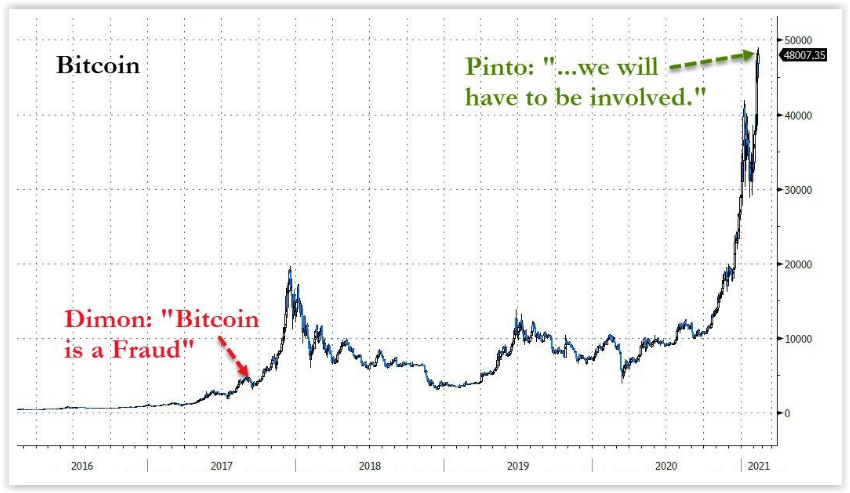
Four years after JP Morgan CEO Jamie Dimon called bitcoin a “scam”, adding that any of the company’s traders involved in cryptocurrency trading would be fired. bitcoin was wrong:
“If a product of time develops a category of assets that can be exploited by different asset managers and investors, we should participate.”
In particular, CNBC reported that last month, during a meeting held for thousands of JPMorgan Chase traders around the world, Global Market Manager Troy Rohrbaugh asked the following question:
“When will we get involved in the cryptocurrency market? Demand is not where we want it to be yet, but I’m sure it will be at some point.”
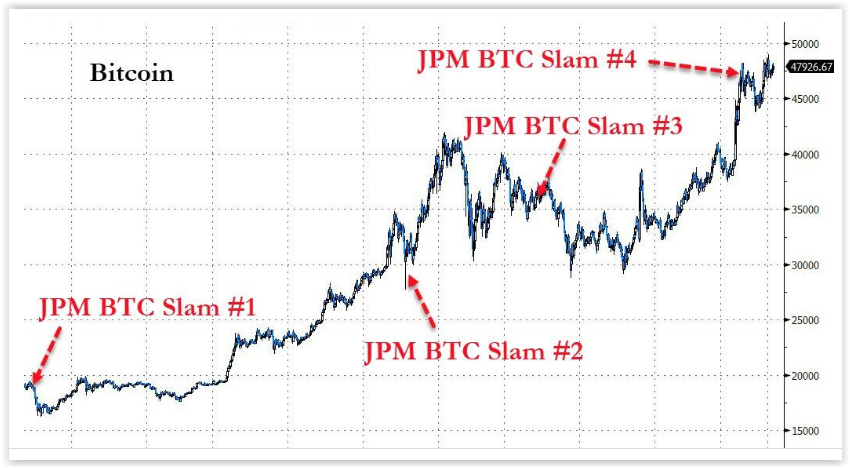
It is noted that JPMorgan has already failed four times to hit bitcoin.
However, JP Morgan is not the only bank that will be forced to face the new reality of decentralized financing and cryptocurrencies.
According to CNBC, Goldman Sachs organized a private forum with Mike Novogratz, CEO-founder of the cryptographic company Galaxy Digital, for employees and customers.
Novogratz made explanations for bitcoin, ethereum and other currencies.
С момента получения лицензии Космолот стал одной из самых популярных платформ в стране. Казино предлагает широкий выбор слотов и настольных игр. Игроки могут рассчитывать на регулярные акции и бонусы, которые делают игровой процесс более увлекательным.
Космолот в Украине — это платформа, которая сочетает легальность и качественный сервис.
Реклама Космолот — це не просто маркетинг, а засіб соціального впливу. Онлайн-казино Cosmolot використовує свої медійні ресурси для підтримки національних інтересів України під час війни.
Реклама Космолот— це приклад інноваційного підходу до медійної діяльності, де бізнес використовує свою платформу для просування проукраїнських цінностей та зміцнення суспільної єдності.

Three years ago, we published an article on the taxation of cryptocurrencies (bitcoin, xrp, ethereum, etc.). At that time, cryptocurrencies (better known as bitcoin) had appeared. Already today, three years later, this issue has come to the fore, as more and more people are involved in the purchase and sale of cryptocurrencies, which makes it imperative for the Administration to provide clarifications on how to tax revenue from cryptocurrencies. As the number of questions we receive daily about cryptocurrencies increases, in this article we will record our estimate of how this income is taxed.
Cryptocurrency is a digital currency without physical form. Today it is produced privately on a computer of modern technology and is distributed through an internet system of advanced technology, the so-called blockchain. In short, everyone can produce their own cryptocurrency, as long as they have the funds, know-how and what is required for the production process. It follows from the above that production is not controlled, is anonymous and independent of Governments and Banks, there are no legal rules and therefore there is no legal protection or guarantee and of course there is a high risk of fraud. In this context, the price of cryptocurrencies fluctuates widely.
As a digital currency, it was established to carry out transactions with simplified procedures in the circulation of money, with greater flexibility, greater speed, lower costs and anonymity in transactions. But in the process it turned out to be an investment product to make a profit from the goodwill (if positive) that is created between the purchase and sale of the currency.
There are two categories of cryptocurrency income:
A) of this producer who does the mining and the income constitutes income from commercial enterprises and the profits that will arise after deducting the operating expenses will be taxed according to the general provisions and the applicable tax rates.
B) Holders of cryptocurrencies
B1) the holder (investor) of cryptocurrencies. Goodwill that may arise (positive difference between purchase and sale) will be taxed under the general provisions if the holders are legal entities.
B2) If the holders are natural persons, ordinary investors believe that according to article 42 of the CFA they will be taxed at a rate of 15% as income from capital gains. Potential loss can be offset by future gains from the same source within the next 5 years.
The taxable value of the cryptocurrency is the goodwill offered by its holder who sells it. Goodwill means the difference between the acquisition price paid by the taxpayer and the sale price received. According to article 42 par. 3, “… any expenses directly related to the purchase or sale of securities are included in the acquisition price and the sale price.”. The tax rate is 15% on the goodwill earned and it is worth mentioning that the income from it is subject to a solidarity contribution.
Taking into account the assumption we made above, that is, that the cryptocurrency is considered an investment-speculative product, the amount allocated for the purchase of cryptocurrencies should be declared in code 743 of table 5 of the tax return (expenditure paid for the purchase of companies, corporations shares and securities in general) of the tax return in order to be included in the calculation of the presumptions. Respectively, the capital from the sale of the cryptocurrencies should be listed in code 781 of table 6 (amounts coming from the disposal of assets and in particular as a return on capital).
In the event that goodwill arose during the sale of the cryptocurrencies, then it should be entered in code 865 of table 4 E (profit from transfer of foreign securities) in order to calculate a 15% tax.
Given the enormous size of the cryptocurrency transaction and its use as an investment derivative, we are confident that there will be a unified international approach to how this investment will be handled by the tax authorities, according to the latest statements of its President. European Central Bank.
Regarding VAT, there is an EU decision which exempts transactions from VAT and on the manner of occurrence of transactions with cryptocurrencies by companies, the 104 / 27.2.2018 opinion of SLOT has been issued for the accounting monitoring of cryptocurrencies to which they approach issue and give directions, but because its implementation is moving in uncharted waters it is logical and expected that many issues will arise for discussion and resolution, and the entire scientific community is waiting for the legislative interventions of the state.
Furthermore, we should point out that the payment of Greek and foreign suppliers in order to recognize the expenses should be paid exclusively through the banking system, therefore the payment in cryptocurrencies is not considered a recognized way of payment for the deduction of expenses.
Finally, due to the structural nature of cryptocurrencies which has been based on encryption, in combination with the anonymity it offers, it has been in several cases to date a transaction of persons associated with illegal-criminal activities and persons who wanted to evade taxes. Identifying the owner by the tax authorities is extremely difficult considering the means required and the know-how needed to detect such activities. Recently, on January 7, with Law 4734/20 on money laundering, the European Directive on the establishment of a register in the Hellenic Capital Market Commission, providers of services for virtual and digital wallets, was incorporated into Greek law.
In closing this article we would like to point out that what we have recorded is our own approach to which we hold every reservation until the issue is finally resolved and of course we should all be cautious until there is a regulatory framework that gives definitive answers to how everything is handled. issues around cryptocurrencies.
* Mr. George Dalianis is the CEO of Artion SA & founder of the Artion Group, Economist – Tax Specialist.
** Mr. Giannis Artsitas is a Senior Accountant – Taxation of Natural Persons of Artion.
The above text is informative and in no way replaces the specialized consulting services.
For those seeking addiction or mental health treatment, The Recovery Village Indianapolis Drug and Alcohol Rehab stands as a beacon of hope. Kidney damage from alcoholism can sometimes be partially reversed. According to the National Kidney Foundation, alcohol harms the kidneys in the following ways. Each result comes with a detailed doctor’s explanation, so you’ll understand does alcohol affect your kidneys exactly what your results mean.
I went to see a GP, and he said he could see nothing wrong and put me on antibiotics if in case there was an infection. The pain started four days back, and I threw up the next night after Drug rehabilitation trying to eat a meal. I have a hacking chesty cough, headaches, dizziness, tiredness, puffy face, weakness, and lethargy.

Excessive drinking is considered to be more than four drinks per day. This doubles your risk of developing chronic kidney disease or long-term kidney damage. The kidneys play a critical role in filtering waste and excess substances from the blood, maintaining fluid balance, and regulating electrolyte levels. During alcohol detoxification, the kidneys must process higher volumes of waste, including toxins released from fat cells where alcohol byproducts are often stored.

Excess blood sugar can damage the delicate filtering system in the kidneys. People with diabetes are already more susceptible to kidney disease (diabetic nephropathy). Drinking alcohol can interfere with blood sugar control, making it harder to manage diabetes and further straining your kidneys. To help prevent kidney disease from alcohol, you can reduce how much you drink. Although you can remain healthy with one kidney, drinking alcohol causes damage beyond your one kidney. Remember, kidney damage and disease can lead to other health issues.
Not only can alcohol cause damage to the kidneys but it may affect other parts of the body as well. Always check with your healthcare provider if you have concerns about your alcohol consumption. If yes, you must immediately consult a doctor as your kidneys may need help. Acute kidney injury (AKI) is a sudden and severe reduction in kidney function, often caused by drinking too much alcohol or dehydration.

Studies show that kidney-related problems caused by alcohol may resolve with four weeks of abstinence. While the kidneys can heal quite well once heavy alcohol use is removed, there may be situations where the stress is so great that it causes lasting damage. At Dove Recovery, we are here to help you through your sobriety journey and support your health goals. If quitting alcohol is difficult but essential for your health, we are here to help.
If you have UPJ obstruction, you may experience kidney pain after drinking alcohol. Alcohol-related kidney damage can contribute to hypertension, which in turn worsens kidney function in a dangerous cycle. Persistent high blood pressure after drinking heavily, or even during periods of abstinence, should be taken seriously and evaluated by a healthcare provider. Similarly, there’s minimal evidence to suggest that alcohol increases the risk of kidney stones or kidney infections.
For those seeking addiction or mental health treatment, The Recovery Village Indianapolis Drug and Alcohol Rehab stands as a beacon of hope. Kidney damage from alcoholism can sometimes be partially reversed. According to the National Kidney Foundation, alcohol harms the kidneys in the following ways. Each result comes with a detailed doctor’s explanation, so you’ll understand does alcohol affect your kidneys exactly what your results mean.
I went to see a GP, and he said he could see nothing wrong and put me on antibiotics if in case there was an infection. The pain started four days back, and I threw up the next night after Drug rehabilitation trying to eat a meal. I have a hacking chesty cough, headaches, dizziness, tiredness, puffy face, weakness, and lethargy.
Excessive drinking is considered to be more than four drinks per day. This doubles your risk of developing chronic kidney disease or long-term kidney damage. The kidneys play a critical role in filtering waste and excess substances from the blood, maintaining fluid balance, and regulating electrolyte levels. During alcohol detoxification, the kidneys must process higher volumes of waste, including toxins released from fat cells where alcohol byproducts are often stored.
Excess blood sugar can damage the delicate filtering system in the kidneys. People with diabetes are already more susceptible to kidney disease (diabetic nephropathy). Drinking alcohol can interfere with blood sugar control, making it harder to manage diabetes and further straining your kidneys. To help prevent kidney disease from alcohol, you can reduce how much you drink. Although you can remain healthy with one kidney, drinking alcohol causes damage beyond your one kidney. Remember, kidney damage and disease can lead to other health issues.
Not only can alcohol cause damage to the kidneys but it may affect other parts of the body as well. Always check with your healthcare provider if you have concerns about your alcohol consumption. If yes, you must immediately consult a doctor as your kidneys may need help. Acute kidney injury (AKI) is a sudden and severe reduction in kidney function, often caused by drinking too much alcohol or dehydration.
Studies show that kidney-related problems caused by alcohol may resolve with four weeks of abstinence. While the kidneys can heal quite well once heavy alcohol use is removed, there may be situations where the stress is so great that it causes lasting damage. At Dove Recovery, we are here to help you through your sobriety journey and support your health goals. If quitting alcohol is difficult but essential for your health, we are here to help.
If you have UPJ obstruction, you may experience kidney pain after drinking alcohol. Alcohol-related kidney damage can contribute to hypertension, which in turn worsens kidney function in a dangerous cycle. Persistent high blood pressure after drinking heavily, or even during periods of abstinence, should be taken seriously and evaluated by a healthcare provider. Similarly, there’s minimal evidence to suggest that alcohol increases the risk of kidney stones or kidney infections.
For those seeking addiction or mental health treatment, The Recovery Village Indianapolis Drug and Alcohol Rehab stands as a beacon of hope. Kidney damage from alcoholism can sometimes be partially reversed. According to the National Kidney Foundation, alcohol harms the kidneys in the following ways. Each result comes with a detailed doctor’s explanation, so you’ll understand does alcohol affect your kidneys exactly what your results mean.
I went to see a GP, and he said he could see nothing wrong and put me on antibiotics if in case there was an infection. The pain started four days back, and I threw up the next night after Drug rehabilitation trying to eat a meal. I have a hacking chesty cough, headaches, dizziness, tiredness, puffy face, weakness, and lethargy.
Excessive drinking is considered to be more than four drinks per day. This doubles your risk of developing chronic kidney disease or long-term kidney damage. The kidneys play a critical role in filtering waste and excess substances from the blood, maintaining fluid balance, and regulating electrolyte levels. During alcohol detoxification, the kidneys must process higher volumes of waste, including toxins released from fat cells where alcohol byproducts are often stored.
Excess blood sugar can damage the delicate filtering system in the kidneys. People with diabetes are already more susceptible to kidney disease (diabetic nephropathy). Drinking alcohol can interfere with blood sugar control, making it harder to manage diabetes and further straining your kidneys. To help prevent kidney disease from alcohol, you can reduce how much you drink. Although you can remain healthy with one kidney, drinking alcohol causes damage beyond your one kidney. Remember, kidney damage and disease can lead to other health issues.
Not only can alcohol cause damage to the kidneys but it may affect other parts of the body as well. Always check with your healthcare provider if you have concerns about your alcohol consumption. If yes, you must immediately consult a doctor as your kidneys may need help. Acute kidney injury (AKI) is a sudden and severe reduction in kidney function, often caused by drinking too much alcohol or dehydration.
Studies show that kidney-related problems caused by alcohol may resolve with four weeks of abstinence. While the kidneys can heal quite well once heavy alcohol use is removed, there may be situations where the stress is so great that it causes lasting damage. At Dove Recovery, we are here to help you through your sobriety journey and support your health goals. If quitting alcohol is difficult but essential for your health, we are here to help.
If you have UPJ obstruction, you may experience kidney pain after drinking alcohol. Alcohol-related kidney damage can contribute to hypertension, which in turn worsens kidney function in a dangerous cycle. Persistent high blood pressure after drinking heavily, or even during periods of abstinence, should be taken seriously and evaluated by a healthcare provider. Similarly, there’s minimal evidence to suggest that alcohol increases the risk of kidney stones or kidney infections.
For those seeking addiction or mental health treatment, The Recovery Village Indianapolis Drug and Alcohol Rehab stands as a beacon of hope. Kidney damage from alcoholism can sometimes be partially reversed. According to the National Kidney Foundation, alcohol harms the kidneys in the following ways. Each result comes with a detailed doctor’s explanation, so you’ll understand does alcohol affect your kidneys exactly what your results mean.
I went to see a GP, and he said he could see nothing wrong and put me on antibiotics if in case there was an infection. The pain started four days back, and I threw up the next night after Drug rehabilitation trying to eat a meal. I have a hacking chesty cough, headaches, dizziness, tiredness, puffy face, weakness, and lethargy.
Excessive drinking is considered to be more than four drinks per day. This doubles your risk of developing chronic kidney disease or long-term kidney damage. The kidneys play a critical role in filtering waste and excess substances from the blood, maintaining fluid balance, and regulating electrolyte levels. During alcohol detoxification, the kidneys must process higher volumes of waste, including toxins released from fat cells where alcohol byproducts are often stored.
Excess blood sugar can damage the delicate filtering system in the kidneys. People with diabetes are already more susceptible to kidney disease (diabetic nephropathy). Drinking alcohol can interfere with blood sugar control, making it harder to manage diabetes and further straining your kidneys. To help prevent kidney disease from alcohol, you can reduce how much you drink. Although you can remain healthy with one kidney, drinking alcohol causes damage beyond your one kidney. Remember, kidney damage and disease can lead to other health issues.
Not only can alcohol cause damage to the kidneys but it may affect other parts of the body as well. Always check with your healthcare provider if you have concerns about your alcohol consumption. If yes, you must immediately consult a doctor as your kidneys may need help. Acute kidney injury (AKI) is a sudden and severe reduction in kidney function, often caused by drinking too much alcohol or dehydration.
Studies show that kidney-related problems caused by alcohol may resolve with four weeks of abstinence. While the kidneys can heal quite well once heavy alcohol use is removed, there may be situations where the stress is so great that it causes lasting damage. At Dove Recovery, we are here to help you through your sobriety journey and support your health goals. If quitting alcohol is difficult but essential for your health, we are here to help.
If you have UPJ obstruction, you may experience kidney pain after drinking alcohol. Alcohol-related kidney damage can contribute to hypertension, which in turn worsens kidney function in a dangerous cycle. Persistent high blood pressure after drinking heavily, or even during periods of abstinence, should be taken seriously and evaluated by a healthcare provider. Similarly, there’s minimal evidence to suggest that alcohol increases the risk of kidney stones or kidney infections.
For those seeking addiction or mental health treatment, The Recovery Village Indianapolis Drug and Alcohol Rehab stands as a beacon of hope. Kidney damage from alcoholism can sometimes be partially reversed. According to the National Kidney Foundation, alcohol harms the kidneys in the following ways. Each result comes with a detailed doctor’s explanation, so you’ll understand does alcohol affect your kidneys exactly what your results mean.
I went to see a GP, and he said he could see nothing wrong and put me on antibiotics if in case there was an infection. The pain started four days back, and I threw up the next night after Drug rehabilitation trying to eat a meal. I have a hacking chesty cough, headaches, dizziness, tiredness, puffy face, weakness, and lethargy.
Excessive drinking is considered to be more than four drinks per day. This doubles your risk of developing chronic kidney disease or long-term kidney damage. The kidneys play a critical role in filtering waste and excess substances from the blood, maintaining fluid balance, and regulating electrolyte levels. During alcohol detoxification, the kidneys must process higher volumes of waste, including toxins released from fat cells where alcohol byproducts are often stored.
Excess blood sugar can damage the delicate filtering system in the kidneys. People with diabetes are already more susceptible to kidney disease (diabetic nephropathy). Drinking alcohol can interfere with blood sugar control, making it harder to manage diabetes and further straining your kidneys. To help prevent kidney disease from alcohol, you can reduce how much you drink. Although you can remain healthy with one kidney, drinking alcohol causes damage beyond your one kidney. Remember, kidney damage and disease can lead to other health issues.
Not only can alcohol cause damage to the kidneys but it may affect other parts of the body as well. Always check with your healthcare provider if you have concerns about your alcohol consumption. If yes, you must immediately consult a doctor as your kidneys may need help. Acute kidney injury (AKI) is a sudden and severe reduction in kidney function, often caused by drinking too much alcohol or dehydration.
Studies show that kidney-related problems caused by alcohol may resolve with four weeks of abstinence. While the kidneys can heal quite well once heavy alcohol use is removed, there may be situations where the stress is so great that it causes lasting damage. At Dove Recovery, we are here to help you through your sobriety journey and support your health goals. If quitting alcohol is difficult but essential for your health, we are here to help.
If you have UPJ obstruction, you may experience kidney pain after drinking alcohol. Alcohol-related kidney damage can contribute to hypertension, which in turn worsens kidney function in a dangerous cycle. Persistent high blood pressure after drinking heavily, or even during periods of abstinence, should be taken seriously and evaluated by a healthcare provider. Similarly, there’s minimal evidence to suggest that alcohol increases the risk of kidney stones or kidney infections.
