
The hidden cultural significance of gambling practices worldwide
Historical Context of Gambling
Gambling has been a part of human history for thousands of years, with evidence dating back to ancient civilizations such as the Chinese, Greeks, and Romans. In these societies, gambling was not merely a pastime but served various cultural and religious functions. For instance, in ancient China, gambling was often linked to fortune-telling and divination, while Roman citizens used betting to engage in social interactions and political discourse. Additionally, exploring various forms of online casino slots showcases modern interpretations of these age-old practices.
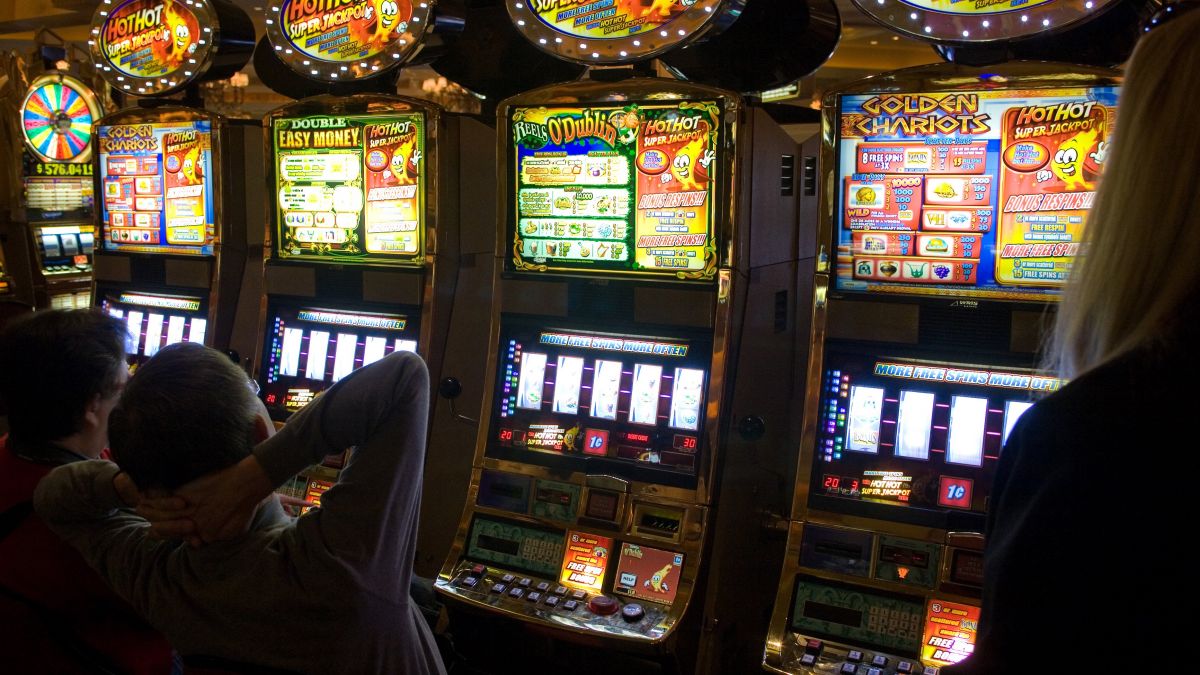
The historical significance of gambling highlights its role in shaping societal norms and values. It often mirrored the socio-economic conditions of the time, serving as a reflection of both leisure and risk-taking behaviors that defined different eras. Understanding these historical contexts can shed light on the evolution of gambling practices and their ongoing relevance in modern culture.
Gambling as a Cultural Ritual
In many cultures, gambling transcends mere entertainment and becomes a crucial aspect of communal rituals and celebrations. For instance, in certain Indigenous cultures, games of chance are integral to harvest festivals, serving as a means of community bonding and sharing resources. These rituals often signify luck and prosperity, reinforcing the idea that gambling is intertwined with cultural identity.
Additionally, gambling events are frequently associated with significant life milestones such as weddings or births. Such practices reveal the deep-seated belief that games of chance can influence destiny and invite fortune into one’s life. Consequently, these cultural rituals elevate gambling from a simple game to a profound expression of communal values and beliefs.
The Psychological and Social Dimensions of Gambling
Gambling carries complex psychological implications that affect not only individuals but also their communities. The act of betting can induce thrill and excitement, creating a shared experience among participants. This communal aspect of gambling fosters social interaction, strengthening relationships as people come together to celebrate wins and share in losses.
However, gambling also has a darker side, as it can lead to addiction and social issues such as financial distress. Understanding these psychological dimensions allows societies to create support systems and regulations that address gambling-related problems while preserving its cultural significance. Balancing the positive and negative aspects is essential for maintaining the cultural integrity of gambling practices.
The Role of Legislation and Regulation
In recent years, the gambling landscape has been profoundly shaped by legislation and regulation. Governments around the world are increasingly recognizing the need to balance economic benefits with social responsibility. Laws surrounding gambling vary significantly, impacting how practices are perceived and conducted in different cultures.
These regulations often reflect cultural attitudes toward gambling, with some societies embracing it as a legitimate form of entertainment, while others view it with skepticism or outright prohibition. Understanding these legal frameworks is crucial for grasping the broader implications of gambling in society, as they influence public perception, participation rates, and the overall cultural significance of gambling practices.

Understanding Regional Restrictions and Their Impact
The complexity of gambling practices is further heightened by geographical restrictions that affect accessibility. Certain regions impose strict regulations, limiting the availability of gambling services and creating a sense of exclusivity. This can lead to an underground gambling culture, where practices continue despite legal prohibitions, reflecting the resilience and adaptability of cultural expressions.
As awareness of gambling’s cultural significance grows, discussions surrounding regional restrictions are becoming increasingly relevant. Understanding these limitations can help identify opportunities for cultural exchange and enrichment, allowing societies to engage with gambling practices while respecting local laws and norms.


