example.com
Verify you are human by completing the action below.
example.com needs to review the security of your connection before
proceeding.

Before we can let you through to example.com, please complete the following steps:
The post Why do i sneeze after drinking alcohol? appeared first on We Greece.
]]>Some individuals may have underlying sensitivities to ingredients in all alcoholic beverages or specific spirits, leading to reactions like sneezing. Keep a mental note of how each type of drink affects you, and don’t hesitate to consult with a healthcare professional if the sneezing becomes bothersome or excessively frequent. Most individuals mistaking symptoms for an allergy actually experience alcohol intolerance, also known as acute alcohol sensitivity. The body’s reaction to alcohol differentiates the two; true allergies can lead to severe reactions, including anaphylaxis, while intolerances generally result in discomfort after drinking.
This will help to reduce the number of histamines in your system and make it less likely that they’ll trigger a sneeze. If you find that warm drinks make you sneeze, try chilling them before you drink them. This will help to soothe the mucous membranes in your nose and prevent them from swelling and triggering a sneeze. If you find that straight spirits make you sneeze, try diluting them with water or soda before you drink them. This will reduce the alcohol in the drink and make it less likely to trigger a sneeze.
If you suspect you have alcohol intolerance, it is best to consult a healthcare professional for an accurate diagnosis and advice. Few things can be more frustrating than enjoying a drink with friends only to be interrupted by incessant sneezing. Alcohol-induced sneezing is a peculiar phenomenon that affects a small percentage of individuals.
In addition, some people find that the alcohol in these drinks irritates their nose, leading to sneezing. It is best to consult a healthcare professional for a proper diagnosis if you suspect an alcohol allergy. However, if you experience severe or persistent symptoms, it is advisable to seek medical advice. Withdrawal symptoms can quickly go from a bad hangover to a serious medical… A person experiencing a severe allergic reaction should go to the emergency room immediately. If someone experiences a severe allergic reaction, they should go to the emergency room immediately. If they do not have an epinephrine injection to treat anaphylaxis right away, it could be fatal.
Mould is unlikely in older wines, but if suspected, it should be discarded as it can be harmful. Sneezing and allergy-like symptoms while drinking wine often stem from lower blood pressure and enzyme depletion necessary for alcohol metabolism. Accumulation of alcohol by-products can trigger mild allergic reactions, albeit generally not severe.
Common signs of alcohol intolerance include nasal congestion and skin flushing. Taking antihistamines before drinking can help manage these symptoms, though natural wines won’t alleviate histamine levels, since they are part of grape fermentation. Drinking plenty of water, moderating alcohol intake, and eating before drinking can mitigate alcohol’s vasodilation effects.
She loves scouring the internet for delicious, simple, heartwarming recipes that make her look like a MasterChef winner. Her other culinary mission in life is to convince her family and friends that vegetarian dishes are much more than a basic salad. Studies have found benefits to consuming small amounts of tannin why do i sneeze when i drink alcohol due to its natural antimicrobial and histamine regulating effects.
This is a caused by a genetic trait that is most often found in people of Asian ancestry. Applying a cold compress to your nose will help to soothe the mucous membranes in your nose and reduce inflammation. Drinking plenty of fluids will help to thin out the mucus in your nose and make it less likely to trigger a sneeze.
This intolerance can also result in dehydration, leaving individuals with low blood volume. While true alcohol allergies are rare, intolerance can lead to noticeable reactions post-consumption. If drinking results in immediate reactions like a stuffy nose or skin issues, it’s essential to understand these might be signs of alcohol intolerance.
Ultimately, optimal hydration and a nutrient-rich diet are the most natural and effective means of managing sulfite levels in the body. Alcohol poisoning can lead to life-threatening complications, including choking and respiratory failure. It is crucial to recognize the symptoms early and provide appropriate help, as the condition can escalate rapidly. Understanding the varying stages of intoxication—ranging from sobriety to severe impairment—can aid in identifying when someone requires urgent care to prevent further health deterioration. The amount of alcohol consumed does not necessarily correlate with the likelihood of sneezing.
To alleviate discomfort, over-the-counter nasal sprays like fluticasone or azelastine can be beneficial. Certain alcoholic drinks, particularly beer and wine, contain high histamine levels, which can further contribute to nasal issues. Alcohol intolerance is a genetic condition in which the body can’t break down alcohol efficiently. Sulfites, found in some wines, have been known to induce various discomforts in a small percentage of drinkers. Therefore, those experiencing sudden sneezing or other allergy-like symptoms after drinking might be histamine intolerant. Alcohol itself can cause blood vessels to dilate, which can lead to swelling, nasal congestion, and excessive mucus drainage.
Foods high in molybdenum, such as beans, lentils, and whole grains, support sulfite detoxification. No, alcohol-induced sneezing is a peculiar reaction that only affects a small percentage of individuals. Younger wines like crisp whites and rosés, and anything with a screw top is far less likely to have mould. If you see mould around the cork of an older bottle, make sure that you clean it off very thoroughly before opening, and take care there is minimal contamination from the cork. But if you think your wine is contaminated by mould, it is best to discard it as it can be worse for you than just sneezing.
In summary, alcohol intolerance can cause immediate, uncomfortable reactions, such as sneezing and skin flushing, when consumed in large amounts. It is important to identify triggers and avoid them to prevent sneezing fits and other health issues. It is crucial to recognize the causes of sneezing and avoid alcohol-related reactions, such as histamine in wine, which can trigger a range of adverse symptoms.
Alcohol consumption can lead to sneezing and nasal congestion due to several physiological factors. Firstly, the byproducts of alcohol that aren’t broken down quickly can accumulate, resulting in mild allergic reactions. Secondly, alcoholic beverages, particularly wine, beer, and spirits, contain histamine, a compound known to elicit allergic responses. When alcohol is consumed, it enters the bloodstream and affects blood vessels, causing them to dilate. This dilation can irritate the nasal lining and lead to increased mucus production, contributing to nasal congestion and sneezing as the body attempts to eliminate irritants.
The post Why do i sneeze after drinking alcohol? appeared first on We Greece.
]]>The post Why do i sneeze after drinking alcohol? appeared first on We Greece.
]]>Some individuals may have underlying sensitivities to ingredients in all alcoholic beverages or specific spirits, leading to reactions like sneezing. Keep a mental note of how each type of drink affects you, and don’t hesitate to consult with a healthcare professional if the sneezing becomes bothersome or excessively frequent. Most individuals mistaking symptoms for an allergy actually experience alcohol intolerance, also known as acute alcohol sensitivity. The body’s reaction to alcohol differentiates the two; true allergies can lead to severe reactions, including anaphylaxis, while intolerances generally result in discomfort after drinking.
This will help to reduce the number of histamines in your system and make it less likely that they’ll trigger a sneeze. If you find that warm drinks make you sneeze, try chilling them before you drink them. This will help to soothe the mucous membranes in your nose and prevent them from swelling and triggering a sneeze. If you find that straight spirits make you sneeze, try diluting them with water or soda before you drink them. This will reduce the alcohol in the drink and make it less likely to trigger a sneeze.
If you suspect you have alcohol intolerance, it is best to consult a healthcare professional for an accurate diagnosis and advice. Few things can be more frustrating than enjoying a drink with friends only to be interrupted by incessant sneezing. Alcohol-induced sneezing is a peculiar phenomenon that affects a small percentage of individuals.
In addition, some people find that the alcohol in these drinks irritates their nose, leading to sneezing. It is best to consult a healthcare professional for a proper diagnosis if you suspect an alcohol allergy. However, if you experience severe or persistent symptoms, it is advisable to seek medical advice. Withdrawal symptoms can quickly go from a bad hangover to a serious medical… A person experiencing a severe allergic reaction should go to the emergency room immediately. If someone experiences a severe allergic reaction, they should go to the emergency room immediately. If they do not have an epinephrine injection to treat anaphylaxis right away, it could be fatal.
Mould is unlikely in older wines, but if suspected, it should be discarded as it can be harmful. Sneezing and allergy-like symptoms while drinking wine often stem from lower blood pressure and enzyme depletion necessary for alcohol metabolism. Accumulation of alcohol by-products can trigger mild allergic reactions, albeit generally not severe.
Common signs of alcohol intolerance include nasal congestion and skin flushing. Taking antihistamines before drinking can help manage these symptoms, though natural wines won’t alleviate histamine levels, since they are part of grape fermentation. Drinking plenty of water, moderating alcohol intake, and eating before drinking can mitigate alcohol’s vasodilation effects.
She loves scouring the internet for delicious, simple, heartwarming recipes that make her look like a MasterChef winner. Her other culinary mission in life is to convince her family and friends that vegetarian dishes are much more than a basic salad. Studies have found benefits to consuming small amounts of tannin why do i sneeze when i drink alcohol due to its natural antimicrobial and histamine regulating effects.
This is a caused by a genetic trait that is most often found in people of Asian ancestry. Applying a cold compress to your nose will help to soothe the mucous membranes in your nose and reduce inflammation. Drinking plenty of fluids will help to thin out the mucus in your nose and make it less likely to trigger a sneeze.
This intolerance can also result in dehydration, leaving individuals with low blood volume. While true alcohol allergies are rare, intolerance can lead to noticeable reactions post-consumption. If drinking results in immediate reactions like a stuffy nose or skin issues, it’s essential to understand these might be signs of alcohol intolerance.
Ultimately, optimal hydration and a nutrient-rich diet are the most natural and effective means of managing sulfite levels in the body. Alcohol poisoning can lead to life-threatening complications, including choking and respiratory failure. It is crucial to recognize the symptoms early and provide appropriate help, as the condition can escalate rapidly. Understanding the varying stages of intoxication—ranging from sobriety to severe impairment—can aid in identifying when someone requires urgent care to prevent further health deterioration. The amount of alcohol consumed does not necessarily correlate with the likelihood of sneezing.
To alleviate discomfort, over-the-counter nasal sprays like fluticasone or azelastine can be beneficial. Certain alcoholic drinks, particularly beer and wine, contain high histamine levels, which can further contribute to nasal issues. Alcohol intolerance is a genetic condition in which the body can’t break down alcohol efficiently. Sulfites, found in some wines, have been known to induce various discomforts in a small percentage of drinkers. Therefore, those experiencing sudden sneezing or other allergy-like symptoms after drinking might be histamine intolerant. Alcohol itself can cause blood vessels to dilate, which can lead to swelling, nasal congestion, and excessive mucus drainage.
Foods high in molybdenum, such as beans, lentils, and whole grains, support sulfite detoxification. No, alcohol-induced sneezing is a peculiar reaction that only affects a small percentage of individuals. Younger wines like crisp whites and rosés, and anything with a screw top is far less likely to have mould. If you see mould around the cork of an older bottle, make sure that you clean it off very thoroughly before opening, and take care there is minimal contamination from the cork. But if you think your wine is contaminated by mould, it is best to discard it as it can be worse for you than just sneezing.
In summary, alcohol intolerance can cause immediate, uncomfortable reactions, such as sneezing and skin flushing, when consumed in large amounts. It is important to identify triggers and avoid them to prevent sneezing fits and other health issues. It is crucial to recognize the causes of sneezing and avoid alcohol-related reactions, such as histamine in wine, which can trigger a range of adverse symptoms.
Alcohol consumption can lead to sneezing and nasal congestion due to several physiological factors. Firstly, the byproducts of alcohol that aren’t broken down quickly can accumulate, resulting in mild allergic reactions. Secondly, alcoholic beverages, particularly wine, beer, and spirits, contain histamine, a compound known to elicit allergic responses. When alcohol is consumed, it enters the bloodstream and affects blood vessels, causing them to dilate. This dilation can irritate the nasal lining and lead to increased mucus production, contributing to nasal congestion and sneezing as the body attempts to eliminate irritants.
The post Why do i sneeze after drinking alcohol? appeared first on We Greece.
]]>The post Why do i sneeze after drinking alcohol? appeared first on We Greece.
]]>Some individuals may have underlying sensitivities to ingredients in all alcoholic beverages or specific spirits, leading to reactions like sneezing. Keep a mental note of how each type of drink affects you, and don’t hesitate to consult with a healthcare professional if the sneezing becomes bothersome or excessively frequent. Most individuals mistaking symptoms for an allergy actually experience alcohol intolerance, also known as acute alcohol sensitivity. The body’s reaction to alcohol differentiates the two; true allergies can lead to severe reactions, including anaphylaxis, while intolerances generally result in discomfort after drinking.
This will help to reduce the number of histamines in your system and make it less likely that they’ll trigger a sneeze. If you find that warm drinks make you sneeze, try chilling them before you drink them. This will help to soothe the mucous membranes in your nose and prevent them from swelling and triggering a sneeze. If you find that straight spirits make you sneeze, try diluting them with water or soda before you drink them. This will reduce the alcohol in the drink and make it less likely to trigger a sneeze.
If you suspect you have alcohol intolerance, it is best to consult a healthcare professional for an accurate diagnosis and advice. Few things can be more frustrating than enjoying a drink with friends only to be interrupted by incessant sneezing. Alcohol-induced sneezing is a peculiar phenomenon that affects a small percentage of individuals.
In addition, some people find that the alcohol in these drinks irritates their nose, leading to sneezing. It is best to consult a healthcare professional for a proper diagnosis if you suspect an alcohol allergy. However, if you experience severe or persistent symptoms, it is advisable to seek medical advice. Withdrawal symptoms can quickly go from a bad hangover to a serious medical… A person experiencing a severe allergic reaction should go to the emergency room immediately. If someone experiences a severe allergic reaction, they should go to the emergency room immediately. If they do not have an epinephrine injection to treat anaphylaxis right away, it could be fatal.
Mould is unlikely in older wines, but if suspected, it should be discarded as it can be harmful. Sneezing and allergy-like symptoms while drinking wine often stem from lower blood pressure and enzyme depletion necessary for alcohol metabolism. Accumulation of alcohol by-products can trigger mild allergic reactions, albeit generally not severe.
Common signs of alcohol intolerance include nasal congestion and skin flushing. Taking antihistamines before drinking can help manage these symptoms, though natural wines won’t alleviate histamine levels, since they are part of grape fermentation. Drinking plenty of water, moderating alcohol intake, and eating before drinking can mitigate alcohol’s vasodilation effects.
She loves scouring the internet for delicious, simple, heartwarming recipes that make her look like a MasterChef winner. Her other culinary mission in life is to convince her family and friends that vegetarian dishes are much more than a basic salad. Studies have found benefits to consuming small amounts of tannin why do i sneeze when i drink alcohol due to its natural antimicrobial and histamine regulating effects.
This is a caused by a genetic trait that is most often found in people of Asian ancestry. Applying a cold compress to your nose will help to soothe the mucous membranes in your nose and reduce inflammation. Drinking plenty of fluids will help to thin out the mucus in your nose and make it less likely to trigger a sneeze.
This intolerance can also result in dehydration, leaving individuals with low blood volume. While true alcohol allergies are rare, intolerance can lead to noticeable reactions post-consumption. If drinking results in immediate reactions like a stuffy nose or skin issues, it’s essential to understand these might be signs of alcohol intolerance.
Ultimately, optimal hydration and a nutrient-rich diet are the most natural and effective means of managing sulfite levels in the body. Alcohol poisoning can lead to life-threatening complications, including choking and respiratory failure. It is crucial to recognize the symptoms early and provide appropriate help, as the condition can escalate rapidly. Understanding the varying stages of intoxication—ranging from sobriety to severe impairment—can aid in identifying when someone requires urgent care to prevent further health deterioration. The amount of alcohol consumed does not necessarily correlate with the likelihood of sneezing.
To alleviate discomfort, over-the-counter nasal sprays like fluticasone or azelastine can be beneficial. Certain alcoholic drinks, particularly beer and wine, contain high histamine levels, which can further contribute to nasal issues. Alcohol intolerance is a genetic condition in which the body can’t break down alcohol efficiently. Sulfites, found in some wines, have been known to induce various discomforts in a small percentage of drinkers. Therefore, those experiencing sudden sneezing or other allergy-like symptoms after drinking might be histamine intolerant. Alcohol itself can cause blood vessels to dilate, which can lead to swelling, nasal congestion, and excessive mucus drainage.
Foods high in molybdenum, such as beans, lentils, and whole grains, support sulfite detoxification. No, alcohol-induced sneezing is a peculiar reaction that only affects a small percentage of individuals. Younger wines like crisp whites and rosés, and anything with a screw top is far less likely to have mould. If you see mould around the cork of an older bottle, make sure that you clean it off very thoroughly before opening, and take care there is minimal contamination from the cork. But if you think your wine is contaminated by mould, it is best to discard it as it can be worse for you than just sneezing.
In summary, alcohol intolerance can cause immediate, uncomfortable reactions, such as sneezing and skin flushing, when consumed in large amounts. It is important to identify triggers and avoid them to prevent sneezing fits and other health issues. It is crucial to recognize the causes of sneezing and avoid alcohol-related reactions, such as histamine in wine, which can trigger a range of adverse symptoms.
Alcohol consumption can lead to sneezing and nasal congestion due to several physiological factors. Firstly, the byproducts of alcohol that aren’t broken down quickly can accumulate, resulting in mild allergic reactions. Secondly, alcoholic beverages, particularly wine, beer, and spirits, contain histamine, a compound known to elicit allergic responses. When alcohol is consumed, it enters the bloodstream and affects blood vessels, causing them to dilate. This dilation can irritate the nasal lining and lead to increased mucus production, contributing to nasal congestion and sneezing as the body attempts to eliminate irritants.
The post Why do i sneeze after drinking alcohol? appeared first on We Greece.
]]>The post Drinking Water Between Alcoholic Drinks: Is It Helpful? appeared first on We Greece.
]]>Bartenders carefully control the amount of water added to a cocktail to achieve the desired taste and texture. Water is the best choice when it comes to rehydrating while drinking alcohol. Other fluids like sports drinks or herbal teas may have additional benefits but can also contain additives and sugars that are unnecessary. If you’re looking for a lighter alternative to the classic gin and tonic, the Gin Rickey is a perfect choice. Tonic water contains high amounts of sugar, with about 23 grams per 8 oz serving and around 100 calories. In contrast, the Gin Rickey offers a refreshing and hydrating option, with a dose of vitamin C, making it an excellent cocktail for hot summer days.
By understanding these factors, you can gain a deeper appreciation for the art and science of alcoholic beverages and make informed choices about how to enjoy them. From unlocking hidden aromas to moderating the effects of alcohol on your body, water plays a vital role in the world of spirits and cocktails. So, the next time you add a splash of water to your drink, remember the intricate dance happening at the molecular level and the profound impact it has on your overall experience. Mixing the perfect drink with sparkling water and alcohol requires a bit of experimentation and patience. The first step is to choose Water with Alcohol a type of alcohol that pairs well with sparkling water, such as vodka, gin, or rum.
To make a Mojito, you will need to muddle the mint at the bottom of a cocktail shaker until it becomes aromatic. Then, add the rum, lime juice, simple syrup, and a handful of ice to the shaker and shake vigorously until the ingredients are combined and chilled. Top the glass with soda water and garnish with lime slices and more fresh mint sprigs. Some alcoholic beverages, like spirits, contain a higher concentration of alcohol compared to water to increase their potency and flavor. Some people find that drinking soda in between alcoholic drinks can help prevent a hangover by keeping them hydrated.
In cocktails, water may be added to increase the volume of the drink, though some bartenders argue that this is unnecessary as ice already serves the same purpose. Ultimately, the decision to add water to an alcoholic beverage depends on individual taste and the specific drink being prepared. When pairing alcohol with sparkling water, it’s also worth considering the flavor profile of the drink.
Personal accounts also support the idea that drinking water with alcohol can reduce the effects of alcohol and help prevent a hangover. Some individuals report that drinking water between alcoholic beverages gives them an “enormous advantage in sobriety” and that they experience less severe hangovers when drinking water with alcohol. While a mixed drink with diet soda may not cause long-term health concerns, it can affect the rate of alcohol absorption in the body.
The ancient Greeks and Romans diluted their wine with water, and it is said that Jesus diluted his wine with water at the Last Supper. Dilution was important to control guests’ behaviour and prevent drunkenness and alcoholism. The Romans would dilute their wine with as much as six parts water to one part wine. It was also common to appoint a Magister Bibendi (the head of the party) to monitor close social gatherings and mix the wine with water to control the guests’ behaviour. Whiskey aficionados are known for having strong opinions about, well, most things.
When the concentration of ethanol at the surface reaches its capacity, some of the molecules retreat into the liquid, becoming soluble and less noticeable to the human palate. This process alters the flavour profile of the whisky, making certain flavours more or less noticeable. The dilution of spirits is a subjective practice, dependent on the individual drinker’s tolerance for alcohol.
However, studies show that artificial sweeteners can have a similar effect on your brain as full-sugar options, leading to more calorie consumption elsewhere. Regular soda, on the other hand, contains a lot of calories and sugar, which can slow the absorption of alcohol, reducing intoxication and potentially harmful drinking and driving. Ultimately, the health effects of alcohol are well-studied, and it’s important to consume it in moderation. The addition of water can help to reduce the intensity of the alcohol, allowing other flavours to come through.
Opting for a plain sparkling water can help to preserve the natural flavor of the alcohol, while also minimizing the risk of added sugars and calories. Furthermore, mixing alcohol with sparkling water can be a great way to enjoy a drink while still being mindful of health and wellness. By choosing a low-calorie and low-sugar option, drinkers can indulge in a favorite cocktail without feeling too guilty or compromising their health goals.
It is carbonated water infused with added minerals, giving it a salty or lightly sweet flavour. The choice of glassware and garnishes can also play a significant role in the overall drinking experience. A highball glass, for instance, is ideal for drinks made with sparkling water, as it allows the flavors and aromas to meld together nicely. Garnishes not only add a touch of elegance to the drink but can also enhance the flavor profile, with the choice of garnish often reflecting the primary flavors within the drink. If you want to drink alcohol, it is generally better to avoid mixing it with soda. Instead, opt for water, which will help keep you hydrated and may reduce the severity of a hangover.
In “Our Flag Means Death”, set in the Golden Age of Piracy, a character named Prince Ricky claims to have invented the drink. With that in mind, none of the experts recommend overindulging, even if it is a special occasion. And with the decision to drink comes the responsibility to find a designated driver — or a taxi –to stay safe.
The post Drinking Water Between Alcoholic Drinks: Is It Helpful? appeared first on We Greece.
]]>The post The Sinclair Method: A Medical Treatment for Alcohol Reduction appeared first on We Greece.
]]>
Rethink Drink is dedicated to revolutionising the approach to alcohol recovery through The Sinclair Method (TSM). As a leading resource in the field, Rethink Drink provides insightful articles, inspiring stories, and expert advice to help individuals regain control over their relationship with alcohol. Our mission is to educate, support, and empower those affected by alcohol dependency, offering a compassionate and science-backed solution to achieve sustainable recovery. Through our blog and podcast, we share valuable content from certified coaches, healthcare professionals, and individuals who have successfully transformed their lives using TSM. Join us on a journey of transformation and discover how you can rethink drink and reclaim a healthier, happier life. In general, the Sinclair Method is a good option for those who are committed to making alcoholism treatment changes to their alcohol use.
This theory proposes that naltrexone blocks the reaction of the opioid system to alcohol-related cues. A 2014 brain-imaging study by Mann et al. seems to confirm that naltrexone blocks cravings induced by alcohol-related cues. However, it is currently impossible to know whether this drop in craving was due to the effect of naltrexone, to a placebo effect, or simply to the effect of time. A randomized placebo-controlled trial is needed to determine whether there is actually a medication effect when naltrexone is taken while abstaining. Still, this study showed that naltrexone plus abstinence does not lead to increased craving, as author Roy Eskapa had claimed it would.
Naltrexone was previously prescribed by physicians and told patients to take it every day and to totally abstain from alcohol. This method is not effective as it does not allow the extinction process to take place. Extinction only works if the alcoholic takes the pill and continues to drink. We highly recommend that all TSM patients work with an addiction counselor as they work towards sobriety. We have also had some patients whose addiction was primarily biochemical that were able to reduce their drinking without extensive counseling or therapy.
For more information about Suboxone (buprenorphine/naloxone) see Suboxone.com, the full Prescribing Information, and Medication Guide, or talk to your healthcare provider. Most inpatient treatment centers follow a traditional model of abstinence-based treatment, and won’t administer a moderation-based treatment. The Sinclair Method is more often supported in outpatient settings Sinclair method like medical offices. Workit Health offers naltrexone treatment utilizing The Sinclair Method for alcohol addiction in the states where we offer Workit Clinic. If you aren’t in one of these states, you can refer to the C Three Foundation’s directory of in-person and telehealth naltrexone providers.
The post The Sinclair Method: A Medical Treatment for Alcohol Reduction appeared first on We Greece.
]]>The post 100 Best Addiction Recovery Blogs and Websites in 2025 appeared first on We Greece.
]]>In blogs like The Fix or Sober Mommies, the comments sections can spark dynamic conversations among readers. They share resources, experiences, and ways to support each other Drug rehabilitation through their individual journeys. These lively exchanges cultivate a sense of belonging and accountability, motivating individuals facing addiction to stick to their commitments toward recovery.

I’ve heard people explain their descent into alcoholism and addiction the same way. Problem drinkers and occasional users become https://ecosober.com/ alcoholics and addicts. The blog is a great place to visit for practical tips on how to stay sober. Shari Hampton brings us Served Up Sober, a company created for sober or sober curious women of color looking for healing and support.

Writers often share their struggles openly, revealing their vulnerabilities and triumphs. Through these honest stories, they create spaces for readers to understand they are not alone in their journeys. Just like the emotional weight of a story can transport us, the stories shared on these blogs can offer a sense of relief and solidarity. UnPickledIf you’d like to learn about someone’s very personal journey with sobriety, we suggest checking out the blog UnPickled.

You probably started absorbing it in the womb, when you were a captive audience listening to your mother tell Addiction and Recovery Blog people about how she intended to lose the baby weight as soon as you were born. Even if you already gave up running and your gym membership. If there are still elements of compulsive movement in your life, yes, you need to stop….
The post 100 Best Addiction Recovery Blogs and Websites in 2025 appeared first on We Greece.
]]>The post Why Drinking To Cope With Boredom Is Never A Good Plan appeared first on We Greece.
]]>The key is to stay curious and open to new experiences, which can create positive outlets for your energy. Like any other emotion, boredom isn’t inherently “bad” or “wrong.” All emotions serve a purpose; They’re signposts, pointing us toward something that needs our attention. No wonder so many of us will avoid boredom at all costs—through drinking, shopping, scrolling, or, when all else fails…self-administering mild electric shocks. They were constantly hunting, gathering, building fires, and protecting themselves from wild animals or rival tribes.
She is an LACC working toward her LAC, with plans to pursue the LPC. However, because it’s so common, we can fail to recognize the importance of addressing it. Boredom can cascade into serious issues like battling loneliness, uncovering deeply seeded shame and self-loathing, and even feelings of high stress can become prevalent.
He received his bachelor’s in health and exercise science with a concentration in sports medicine and eventually earned a master’s of psychology in addiction counseling. During his time as a therapist, Justin has worked in a residential addiction treatment facility, private practice, and outpatient settings. Specializing in Compulsive Hoarding and Behavior Addictions, Brionna guides clients towards healthier relationships and boundaries. Additionally, she is trained in Brainspotting, offering a unique approach to trauma-informed care. Kathleen was born and raised in Denver, Colorado, but spent half of her life in California. She holds a master’s in clinical psychology with an emphasis on marriage and family therapy.
If you’d like to explore this further, check out this list of boredom-drinking-interrupting activities. If you’re ready to break free from this habit and reclaim control of your life, the Stop Drinking Expert is here to help. With resources, articles, and support, you can learn how to live a healthier, more fulfilling life without alcohol. Sign up for a free quit-drinking webinar today and start your journey toward a sober, more rewarding future. Additionally, because alcohol can impair judgment and lower inhibitions, people who drink out of boredom may make unhealthy lifestyle choices, such as overeating or skipping exercise.
To explore this further, try this 3-step boredom drinking interrupt strategy and take your first step toward a more intentional life. Many high-functioning drinkers who try to take a break from alcohol find that boredom is one of the hardest emotions to deal with when getting alcohol-free. Exercise is a powerful way to rebuild your body in recovery and a healthy coping skill. It’s a way to care for yourself by committing to a practice that releases positive, mood-enhancing endorphins and alleviates stress. Finding a new activity and hobby such as working out can provide something to look forward to each day.
Her journey began with crisis intervention for families, evolving into roles in community counseling, corrections, and residential facilities. Her expertise encompasses group and individual work, with a particular focus on trauma. Darcie finds fulfillment in working with the LGBTQ+ population, leveraging her skills to support and empower.
The best piece of advice she’s ever heard is to never take advice from someone who does not have what you are seeking. Outside AspenRidge, Jordan enjoys rock climbing, snowboarding, and playing volleyball and soccer. She believes she was probably a rodeo queen in another life and recharges by spending time with friends and family. While alcohol abuse is common, it doesn’t mean you have to face it alone.
In more severe cases, drinking out of boredom can lead to severe alcohol abuse disorders. Starting to drink gradually might be considered normal or appropriate, but it can quickly create a dependence and lead to a severe drinking problem. I’ll be exploring that in a future piece, but for now, let’s stay focused on the more everyday boredom that shows up during chores, traffic, and those painfully slow moments of life.
Drinking out of boredom is how some choose to deal with the dull moments life throws at us. Ignoring the harmful effects of alcohol consumption and regularly indulging can have short-term and long-term effects on your health. If you find yourself reaching for a drink whenever you’re bored or looking to kill time, you should stop and take measures to correct these tendencies early before they become problematic. And the sickness and tiredness you feel after the initial high of alcohol consumption wears off is neither fun nor interesting. So drinking because you’re bored isn’t doing much for you in the long run.
It’s therefore no surprise that during the pandemic, the rate of alcohol consumption increased among people that reported COVID-19 related stress. The pandemic has been here and, at the time of this writing, is continuing to keep our world in a state of flux. This puts those who have formed an attachment to alcohol in a very vulnerable position. Over time, with regular alcohol consumption, our brain starts to adapt. Our reward system gets recalibrated to account for the frequent dopamine hits coming from the alcohol. Our brain starts needing more and more alcohol to experience the same level of reward or pleasure, resulting in increased alcohol consumption.
If you know you will feel lonely or down, try and plan some interactions to reduce those feelings and your reliance on alcohol. When you remove all alcohol and addictive substances from your home, you can experience the emotions and thoughts that lead to drinking out of boredom without acting on them in a way that puts you at risk. Anything to change up that routine of drinking out of boredom and make it harder for drinkers to find a place to get comfortable.
Most of us would literally rather zap ourselves with pain than sit quietly with our own thoughts.
So let’s take a look at what tends to happen when we use alcohol, or any distraction, as a way to respond to these two different types of boredom. Frankl believed that existential boredom signals a crisis of meaning—what he called the “existential vacuum. From a cultural perspective, boredom doesn’t just feel uncomfortable—it feels wrong. Waiting for dinner guests to arrive, or helping your kids with math homework, the nagging restlessness that whispers“A glass of wine will make this better” is the same. Whatever your goals, it’s the struggle to get there that’s most rewarding. It’s almost as if life itself is inviting us to embrace difficulty—not as punishment but as a design drinking because of boredom feature.
She is a trauma-informed clinician who prioritizes the relationship between clinician and client. Addiction impacted her own family and influenced her compassionate and empathetic relationship with clients. She believes in healing the whole person in a safe and supportive environment. Jill enjoys spending time outdoors with her family, friends, and pets when she is not in the office. She spends most weekends in the mountains hiking, fishing, 4-wheeling, and camping. Jill is an avid photographer and particularly enjoys Colorado sunsets.
The post Why Drinking To Cope With Boredom Is Never A Good Plan appeared first on We Greece.
]]>The post 30 Powerful Womens Recovery Memoirs to Inspire Your Own Journey appeared first on We Greece.
]]>Even if you aren’t marijuana addiction in recovery, the struggles and emotions of these authors can help you feel less alone in this world. Not just another celebrity memoir, Fisher’s book strikes the ideal balance between gossip-y entertainment and razor-sharp commentary. In this curated list, you’ll find a mix of compelling memoirs from people who’ve lived through addiction and recovery, and evidence-based works that break down the neuroscience, psychology, and social factors behind it.
Prozac Nation is an important piece of work, notable for its distinctive youthful voice and confessional best alcohol recovery books nature. It also chronicles the true pain that stems from depression and anxiety, the causes that lead many people to engage in substance abuse. “Hungry Ghosts” is not just one of the many addiction memoirs out there, but also a story of resilience, hope, and ultimately, triumph. As Cheever confronts her demons in this modern classic and embarks on the journey of recovery, she discovers the strength within herself to reclaim her own life and rebuild from the ashes of her past. With unwavering determination and the support of loved ones, she navigates the turbulent waters of sobriety, finding solace in the promise of a brighter tomorrow.

The Recovering is a wide-ranging and frequently excellent book about addiction, but it is stymied when it attempts to be too zoomed-out. Addiction, with its cyclical copping, its single-minded want, is a monotonous thing. But https://chains24.de/is-weed-addictive-a-comprehensive-guide-to/ the experiences of those addicted differ vastly, based on race, class, the substances in question, the time and place. Jamison set out to write a different sort of addiction memoir, and she wrote one of the most exhaustively researched, lyrical, and thoughtful additions to that canon in recent years. The book flags only when she reaches for universality instead of focuses on writing her own story, which is already an expansive account of a woman confronting her addiction and her obsession with writers who drink. Jamison writes about her recovery as well as she does about her addiction.
But, predictably, addiction eventually became part of her painful reality. Writing honestly about her secret dependency and time in rehab, Vargas helps those of us who deal with a co-occurring disorder understand taking on both mental health and alcoholism — and how we cannot heal one without the other. Admittedly, there are a lot of lists there about the best recovery memoirs, which is why ours is a little different. Since we care about all kinds of recovery, we wanted to emphasize that drugs and alcohol are not the only ways that women suffer and not everyone recovers through a 12-Step program. And while memoirs centered around alcohol addiction are prevalent on this list, there are plenty of others to choose from, too.
The right book can provide not only knowledge and practical tools but also a sense of connection and inspiration. Below, you’ll find some of the most insightful and helpful books to read during your recovery journey. Whether you’re looking for workbooks, memoirs, or guides on how to maintain sobriety, these books offer something valuable for everyone seeking hope and guidance. Frey recounts his journey through rehab, as both an alcoholic and a crack cocaine addict. Although this book was first released as a memoir, Frey later admitted that many of the instances described within A Million Little Pieces never happened. Regardless, his representation of the lack of control that addicts experience on their journey to rock-bottom struck a chord with millions of readers.

The book offers a glimpse into the world of substance abuse, showing the devastating impact it can have on relationships and personal well-being. Scar Tissue is a compelling and thought-provoking read that provides insight into the mind of a drug addict, making it a must-read for anyone interested in the human experience. The Night of the Gun is a gripping memoir by David Carr, a renowned reporter who investigates his own tumultuous past of addiction and recovery.
Zailckas’ story is similar to the millions of youths who engage in binge drinking at dangerously young age. Throughout the course of the book, Zailckas reveals the underlying emotional pain and lack of confidence that she tried to express through excessive drinking. She also closely examines both the internal and external factors that drove her to seek help in ending her destructive cycle of binge drinking. Moreover, “Wrenching Questions” is not just a book for those directly impacted by addiction; it is also a call to action for society as a whole.
The post 30 Powerful Womens Recovery Memoirs to Inspire Your Own Journey appeared first on We Greece.
]]>The post 11 Of The Best Addiction Recovery Books To Inspire Your Life appeared first on We Greece.
]]>He provides a recovery plan and an attempt to make sense of the ailing world. Craig Beck is a successful family man who struggled to control his drinking for 20 years. He eventually discovered the truth about alcohol addiction and realized that he didn’t want to drink anymore.
Leslie Jamison, a talented writer and recovering alcoholic herself, fearlessly opens up about her own battle with addiction, providing an intimate and honest account of her personal experiences. However, this book is not just a memoir; it is a comprehensive exploration of the broader issues surrounding addiction and recovery. This book about addiction recovery is not just a story of survival, but also a testament to the strength of the human spirit. It https://ecosoberhouse.com/ delves into the complexities of addiction, shedding light on the underlying issues and providing valuable insights for those seeking their own path towards recovery. What sets The Big Fix apart from other addiction recovery books is Helton Mitchell’s ability to convey the overwhelming sense of hope and resilience that can be found in the face of addiction.


Our expert team is here to help you find relief and reclaim your life. Authors Amanda Eyre Ward and Jardine Libraire met shortly after getting sober. They quickly became friends, bonding over their shared desire for an exciting, outside-the-lines life. Most of their friends spent their weekends living the “rose all day” lifestyle, and every first date wanted to meet at a bar. Augusten Burroughs’ memoir covers a decade-long battle with sobriety, with a variety of wins and losses along the way. During his days as a young Manhattanite working in advertising, he tried everything to hide his constant drinking, including spraying cologne on his tongue.
No matter the loss, the mindfulness skills in this workbook help readers process their grief, determine the function their addiction is serving, and replace the addiction with healthy coping behaviors. what is Oxford House Most addictive behavior is rooted in some type of loss, be it the death of a loved one, coming to terms with limitations set by chronic health problems, or the end of a relationship. By turning to drugs and alcohol, people who have suffered a loss can numb their grief. In the process, they postpone their healing and can drive themselves further into addiction.
Whether you are struggling with drug addiction, best books for addiction recovery alcohol use disorder, or simply seeking to improve your mental health, books can be a powerful tool on your journey to recovery. Here, we’ve compiled a list of the best books on addiction that can be instrumental in your recovery. These books cover everything from addiction recovery workbooks to deeply moving addiction memoirs that showcase inspiring true success stories.
Ultimately, Dopesick is not just a book about addiction recovery; it is a powerful testament to the resilience of the human spirit and a call to action for a nation in the grips of an unprecedented crisis. Macy’s poignant storytelling and comprehensive research make this book an essential read for anyone seeking to understand the complexities of addiction and the urgent need for change. Through compelling interviews and personal stories, Macy paints a vivid picture of the desperation and hopelessness that permeate the lives of those battling addiction. Whether you’re just starting your recovery journey, supporting someone in early sobriety, or looking to deepen your understanding of the 12-step program, these books provide the actionable advice and inspirational stories you need.

While the foundational texts like the Big Book and the “Twelve and Twelve” remain essential reading, newer literature offers several advantages for newcomers. Contemporary authors write with awareness of modern challenges—from mental health complexities to evolving understanding of alcohol use disorder and substance abuse. These new books also reflect the diversity of today’s recovery community, offering personal experiences from different backgrounds, belief systems, and life circumstances. Alcoholism is a chronic and progressive disease that can have a significant impact on your physical, mental, and emotional health. To overcome an alcohol addiction, you need to address the underlying issues that drive your drinking behavior, develop healthy coping mechanisms, and create a support system that will help you maintain your sobriety.
The author reveals startling details of her own struggle with her daughter’s addiction, reassuring the reader that she truly empathizes and understands the complexities of loving an addict. She educates the reader on how to best stop engaging in enabling behavior, in order to truly begin helping a loved one find the road to recovery. The journey through addiction to recovery is a deeply personal experience, with no two people going though the same process to reach sobriety. Recovery is a tumultuous process, and recovering individuals often benefit from learning about the experiences others have undergone in their quest to live substance-free.
Books about addiction include heartbreaking moments of struggle and dependency. Yet they’re also accounts of resiliency and renewal, introducing you to brave men and women who found the strength to save themselves when all hope seemed lost. Here are 11 new narratives of addiction and recovery that we recommend you read. She brilliantly weaves psychological, neurological, cultural, social and industry factors with her own journey. Without scare tactics, pain, or rules, she offers a strategy to give you freedom from alcohol.
Smoking and tobacco addiction can have devastating consequences on your health and well-being. To quit smoking, you need to understand the root causes of your addiction, develop healthy coping mechanisms, and create a plan for long-term recovery. There are many books available on the topic of smoking and tobacco addiction, ranging from memoirs and personal stories to scientific research and practical advice. Whether you’re a smoker struggling to quit or a loved one looking to support someone in their recovery, there is a book out there that can help. “A Thousand Wasted Sundays” by Victoria Vanstone approaches the heavy topic of addiction with a light touch, taking you through the author’s experiences in partying, navigating motherhood and starting a new sober life.
The post 11 Of The Best Addiction Recovery Books To Inspire Your Life appeared first on We Greece.
]]>The post Can Drinking Cause Kidney Pain? Understand the Risks appeared first on We Greece.
]]>I went to see a GP, and he said he could see nothing wrong and put me on antibiotics if in case there was an infection. The pain started four days back, and I threw up the next night after Drug rehabilitation trying to eat a meal. I have a hacking chesty cough, headaches, dizziness, tiredness, puffy face, weakness, and lethargy.
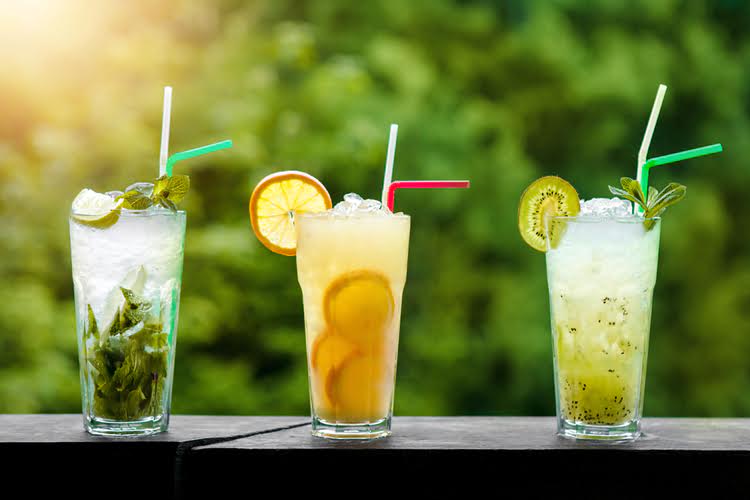
Excessive drinking is considered to be more than four drinks per day. This doubles your risk of developing chronic kidney disease or long-term kidney damage. The kidneys play a critical role in filtering waste and excess substances from the blood, maintaining fluid balance, and regulating electrolyte levels. During alcohol detoxification, the kidneys must process higher volumes of waste, including toxins released from fat cells where alcohol byproducts are often stored.
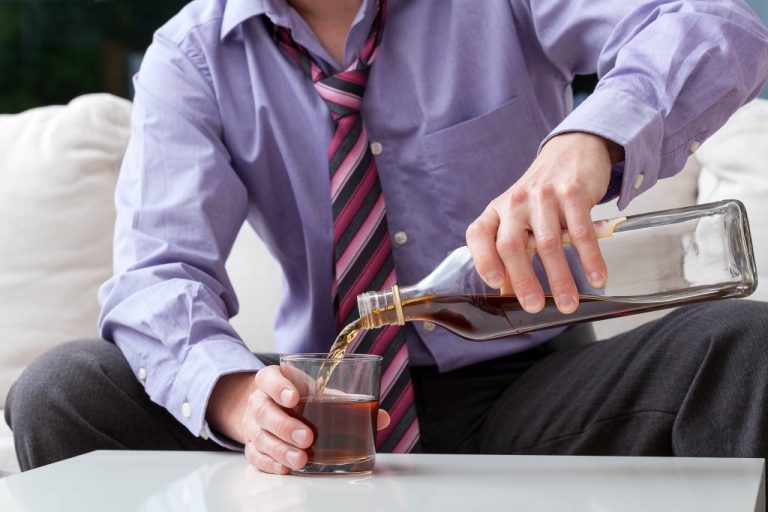
Excess blood sugar can damage the delicate filtering system in the kidneys. People with diabetes are already more susceptible to kidney disease (diabetic nephropathy). Drinking alcohol can interfere with blood sugar control, making it harder to manage diabetes and further straining your kidneys. To help prevent kidney disease from alcohol, you can reduce how much you drink. Although you can remain healthy with one kidney, drinking alcohol causes damage beyond your one kidney. Remember, kidney damage and disease can lead to other health issues.
Not only can alcohol cause damage to the kidneys but it may affect other parts of the body as well. Always check with your healthcare provider if you have concerns about your alcohol consumption. If yes, you must immediately consult a doctor as your kidneys may need help. Acute kidney injury (AKI) is a sudden and severe reduction in kidney function, often caused by drinking too much alcohol or dehydration.

Studies show that kidney-related problems caused by alcohol may resolve with four weeks of abstinence. While the kidneys can heal quite well once heavy alcohol use is removed, there may be situations where the stress is so great that it causes lasting damage. At Dove Recovery, we are here to help you through your sobriety journey and support your health goals. If quitting alcohol is difficult but essential for your health, we are here to help.
If you have UPJ obstruction, you may experience kidney pain after drinking alcohol. Alcohol-related kidney damage can contribute to hypertension, which in turn worsens kidney function in a dangerous cycle. Persistent high blood pressure after drinking heavily, or even during periods of abstinence, should be taken seriously and evaluated by a healthcare provider. Similarly, there’s minimal evidence to suggest that alcohol increases the risk of kidney stones or kidney infections.
The post Can Drinking Cause Kidney Pain? Understand the Risks appeared first on We Greece.
]]>