example.com
Verify you are human by completing the action below.
example.com needs to review the security of your connection before
proceeding.

Before we can let you through to example.com, please complete the following steps:
The post Ποιες χώρες χρησιμοποιούν περισσότερο κρυπτονομίσματα – Στο 11% το ποσοστό στην Ελλάδα appeared first on We Greece.
]]>Σύμφωνα με το Bitcoin.com είναι το υψηλό κόστος αποστολής χρημάτων πέρα από τα σύνορα με τον συμβατικό τρόπο που έχει οδηγήσει πολλούς να στραφούν σε συναλλαγές με κρυπτονομίσματα.
Επίσης οι Νιγηριανοί χρησιμοποιούν συχνά τα τηλέφωνά τους για να στέλνουν χρήματα ο ένας στον άλλο ή για να πληρώνουν σε καταστήματα.
Πρόσφατα, μάλιστα πολλές επιχειρήσεις στη χώρα προσθέτουν crypto plugins στις επιλογές για πληρωμές μέσω τηλεφώνου τους.
Το δεύτερο και το τρίτο υψηλότερο ποσοστό πολιτών που χρησιμοποιούν ή/και έχουν στην κατοχή τους κρυπτονομίσματα απαντάται σύμφωνα με την έρευνα στο Βιετνάμ και τις Φιλιππίνες, αντίστοιχα.
Και πάλι, οι πληρωμές εμβασμάτων συνιστούν σημαντικό παράγοντα για τους πολίτες να επιλέξουν τα κρυπτονομίσματα.
Επίσης σύμφωνα με το bitcoin.com, η Κεντρική Τράπεζα των Φιλιππίνων ενέκρινε την λειτουργία εταιρειών εμβασμάτων που χρησιμοποιούν κρυπτονομίσματα η δε κυβέρνηση έχει αρχίσει να εμπλέκεται στα κρυπτονομίσματα, σε συνεργασία με τη Unionbank για τη διανομή κρατικών ομολόγων ενώ η Unionbank έχει επίσης εγκαταστήσει ένα Bitcoin ATM στο Μακάτι, πόλη στην Μητροπολιτική Μανίλα.
Εκτός από τους χρήστες κρυπτονομισμάτων στην Αφρική και τη Νοτιοανατολική Ασία, μια ακόμη περιοχή που δείχνει μια αρκετά σημαντική προτίμησε σε αυτά είναι η Λατινική Αμερική.
Το Περού είναι η πρώτη μεταξύ αυτών των χωρών με το 16% των ερωτηθέντων να δηλώνει πως χρησιμοποιεί/κατέχει κρυπτονομίσματα ενώ σε Βραζιλία, Κολομβία, Αργεντινή, Μεξικό και Χιλή καταγράφεται επίσης διψήφιο ποσοστό.
Η δε Ελβετία και η Ελλάδα είναι μεταξύ των ευρωπαϊκών χωρών που καταγράφεται επίσης υψηλό ποσοστό, 11%.
Η Ιαπωνία πάλι παρουσιάζει από τα χαμηλότερα ποσοστά μαζί με τη Δανία.
The post Ποιες χώρες χρησιμοποιούν περισσότερο κρυπτονομίσματα – Στο 11% το ποσοστό στην Ελλάδα appeared first on We Greece.
]]>The post Κρυπτονομίσματα και φορολογία appeared first on We Greece.
]]>Το κρυπτονόμισμα είναι ένα ψηφιακό νόμισμα χωρίς φυσική μορφή. Σήμερα παράγεται ιδιωτικά σε ηλεκτρονικό υπολογιστή σύγχρονης τεχνολογίας και διακινείται μέσα από ένα ιντερνετικό σύστημα προηγμένης τεχνολογίας, το λεγόμενο blockchain. Με λίγα λόγια μπορεί ο καθένας να παράγει το δικό του κρυπτονόμισμα, εφόσον διαθέτει κεφάλαια, τεχνογνωσία και ότι απαιτείται για την παραγωγική διαδικασία. Από τα προαναφερόμενα προκύπτει ότι η παραγωγή δεν ελέγχεται, είναι ανώνυμη και ανεξάρτητη από Κυβερνήσεις και Τράπεζες, δεν υπάρχουν νομικοί κανόνες και ως εκ τούτου δεν υπάρχει νομική προστασία ή εγγύηση και φυσικά υπάρχει μεγάλος κίνδυνος απάτης. Στο πλαίσιο αυτό μάλιστα η τιμή των κρυπτονομισμάτων παρουσιάζει μεγάλη διακύμανση.
Ως ψηφιακό νόμισμα ιδρύθηκε για πραγματοποίηση συναλλαγών με απλουστευμένες διαδικασίες στη διακίνηση του χρήματος, με μεγαλύτερη ευελιξία, μεγαλύτερη ταχύτητα, μικρότερο κόστος και ανωνυμία στις συναλλαγές. Όμως, στην πορεία κατέληξε να είναι ένα επενδυτικό προϊόν για αποκόμιση κέρδους από την υπεραξία (εφόσον είναι θετική) που δημιουργείται μεταξύ της αγοράς και της πώλησης του νομίσματος.
Υπάρχουν δυο κατηγορίες εισοδήματος από κρυπτονομίσματα:
Α) του παραγωγού αυτού που κάνει την εξόρυξη και τα έσοδα αποτελούν εισόδημα από εμπορικές επιχειρήσεις και θα φορολογηθούν τα κέρδη που θα προκύψουν μετά την αφαίρεση των λειτουργικών δαπανών με τις γενικές διατάξεις και τους ισχύοντες φορολογικούς συντελεστές.
Β) Κάτοχοι κρυπτονομισμάτων
Β1) του κατόχου (επενδυτή) κρυπτονομισμάτων. Η υπεραξία που πιθανόν προκύψει (θετική διαφορά μεταξύ αγοράς και πώλησης) θα φορολογηθεί με τις γενικές διατάξεις εάν οι κάτοχοι είναι νομικά πρόσωπα.
Β2) Εάν οι κάτοχοι είναι φυσικά πρόσωπα, απλοί επενδυτές πιστεύουμε ότι σύμφωνα με το άρθρο 42 του ΚΦΕ θα φορολογηθούν με συντελεστή 15% ως εισόδημα από υπεραξία κεφαλαίου. Πιθανή ζημία μπορεί να συμψηφιστεί με μελλοντικά κέρδη από την ίδια πηγή μέσα στα επόμενα 5 έτη.
Η φορολογητέα αξία του κρυπτονομίσματος είναι η υπεραξία που προσπορίζεται ο κάτοχός του που προβαίνει σε πώλησή του. Ως υπεραξία νοείται η διαφορά μεταξύ της τιμής κτήσης που κατέβαλε ο φορολογούμενος και της τιμής πώλησης που εισέπραξε. Σύμφωνα με το άρθρο 42 παρ. 3, “…τυχόν δαπάνες που συνδέονται άμεσα με την αγορά ή την πώληση των τίτλων συμπεριλαμβάνονται στην τιμή κτήσης και την τιμή πώλησης.”. Ο φορολογικός συντελεστής είναι 15% επί της αποκομιζόμενης υπεραξίας και αξίζει να αναφέρουμε πως τα εισοδήματα από αυτό υπόκεινται σε εισφορά αλληλεγγύης.
Λαμβάνοντας υπόψιν μας την παραδοχή που κάναμε παραπάνω, ότι δηλαδή το κρυπτονόμισμα θεωρείται επενδυτικό-κερδοσκοπικό προϊόν, το ποσό που διατέθηκε για την αγορά κρυπτονομισμάτων θα πρέπει να δηλωθεί στον κωδικό 743 του πίνακα 5 της φορολογικής δήλωσης (δαπάνη που καταβλήθηκε για την αγορά επιχειρήσεων, εταιρικών μεριδίων και χρεογράφων γενικά) της φορολογικής δήλωσης προκειμένου να συμπεριληφθεί στον υπολογισμό των τεκμηρίων. Αντίστοιχα το κεφάλαιο από την πώληση των κρυπτονομισμάτων θα πρέπει να αναγραφεί στον κωδικό 781 του πίνακα 6 (χρηματικά ποσά που προέρχονται από διάθεση περιουσιακών στοιχείων και ειδικότερα ως επιστροφή κεφαλαίου).
Στην περίπτωση όπου κατά την πώληση των κρυπτονομισμάτων προέκυψε υπεραξία, τότε αυτή θα πρέπει να αναγραφεί στον κωδικό 865 του πίνακα 4 Ε (κέρδος από μεταβίβαση τίτλων αλλοδαπής) προκειμένου να υπολογιστεί φόρος 15%.
Δεδομένης της εξαιρετικά μεγάλης διάστασης που έχει πάρει η συναλλαγή μέσω κρυπτονομισμάτων και η χρήση του ως επενδυτικό παράγωγο θεωρούμε βέβαιο ότι θα υπάρξει μια ενιαία διεθνής προσέγγιση για το πώς θα αντιμετωπίζεται από τις φορολογικές αρχές η επένδυση αυτή, σύμφωνα και με τις τελευταίες δηλώσεις της Προέδρου της Ευρωπαϊκής Κεντρικής Τράπεζας.
Σχετικά με το ΦΠΑ υπάρχει απόφαση της ΕΕ με την οποία απαλλάσσονται οι συναλλαγές από ΦΠΑ και σχετικά με τον τρόπο εμφάνισης των συναλλαγών με κρυπτονομίσματα από τις επιχειρήσεις έχει εκδοθεί η 104/27.2.2018 γνωμάτευση του ΣΛΟΤ για τη λογιστική παρακολούθηση των κρυπτονομισμάτων στην οποία προσεγγίζουν το θέμα και δίνουν κατευθύνσεις, αλλά επειδή η εφαρμογή της κινείται σε αχαρτογράφητα νερά είναι λογικό και αναμενόμενο να ανακύπτουν πολλά ζητήματα προς συζήτηση και επίλυση, και όλη η επιστημονική κοινότητα περιμένει τις νομοθετικές παρεμβάσεις της πολιτείας.
Περαιτέρω, θα πρέπει να επισημάνουμε ότι η εξόφληση των προμηθευτών Ελλήνων και αλλοδαπών για να αναγνωριστούν οι δαπάνες θα πρέπει να εξοφλούνται αποκλειστικά μέσω τραπεζικού συστήματος, συνεπώς η εξόφληση με κρυπτονομίσματα δεν θεωρείται αναγνωρισμένος τρόπος πληρωμής για την έκπτωση των δαπανών.
Τέλος, λόγω της δομικής φύσης των κρυπτονομισμάτων η οποία έχει βασιστεί στην κρυπτογράφηση, σε συνδυασμό με την ανωνυμία που προσφέρει, αποτέλεσε μέχρι σήμερα σε αρκετές περιπτώσεις μέσο συναλλαγής προσώπων που σχετίζονται με παράνομες-εγκληματικές ενέργειες αλλά και προσώπων τα οποία ήθελαν να φοροδιαφύγουν. Η εξακρίβωση του κατόχου του από τις φορολογικές αρχές είναι εξαιρετικά δυσχερής αν αναλογιστεί κανείς τα μέσα που απαιτούνται αλλά και η τεχνογνωσία που χρειάζεται για να εντοπιστούν τέτοιες δραστηριότητες. Πρόσφατα μάλιστα στις 7 Ιανουαρίου με το ν. 4734/20 για το ξέπλυμα βρόμικου χρήματος, ενσωματώθηκε στο Ελληνικό δίκαιο η Ευρωπαϊκή οδηγία για τη σύσταση μητρώου στην επιτροπή κεφαλαιαγοράς, παρόχων υπηρεσιών για εικονικά και ψηφιακά πορτοφόλια.
Κλείνοντας το άρθρο αυτό θα θέλαμε να επισημάνουμε ότι όσα καταγράψαμε είναι η δική μας προσέγγιση για την οποία κρατάμε κάθε επιφύλαξη μέχρι να διευθετηθεί οριστικά το θέμα και βεβαίως θα πρέπει να είμαστε όλοι επιφυλακτικοί μέχρι να υπάρξει ρυθμιστικό πλαίσιο που να δίνει οριστικές απαντήσεις στο πως αντιμετωπίζονται όλα τα θέματα γύρω από τα κρυπτονομίσματα.
* O κ. Γιώργος Δαλιάνης είναι Διευθύνων Σύμβουλος της Artion Α.Ε. & ιδρυτής του Ομίλου Artion, Οικονομολόγος – Φοροτεχνικός.
**Ο κ. Γιάννης Αρτσίτας είναι Senior Accountant – Φορολογία Φυσικών Προσώπων της Αrtion.
Το ανωτέρω κείμενο έχει ενημερωτικό χαρακτήρα και σε καμία περίπτωση δεν υποκαθιστά τις εξειδικευμένες συμβουλευτικές υπηρεσίες.
The post Κρυπτονομίσματα και φορολογία appeared first on We Greece.
]]>The post Γιατί κανείς δεν μπορεί να “χακάρει” ένα Blockchain appeared first on We Greece.
]]>Ένα κοινό λάθος που κάνουν οι νέοι επενδυτές κρυπτογράφησης είναι να συγχέουν την εισβολή ενός blockchain με ένα ψηφιακό χρηματιστήριο. Ενώ, δυστυχώς, οι κεντρικές ψηφιακές ανταλλαγές δέχονται hacking περισσότερο από ό, τι θα έπρεπε, οι αποκεντρωμένες παραβιάσεις blockchain είναι πολύ σπάνιες, καθώς είναι δύσκολο να επιτευχθούν και δεν παρέχουν πολλά κίνητρα για πραγματοποίηση.
Σε αυτήν την ανάρτηση, εξετάζουμε τι κάνει τα blockchain – όπως εφαρμόζονται στον τομέα κρυπτογράφησης – αδιαπέραστα από παραβιάσεις ασφάλειας.
Τα blockchain πίσω από τα περισσότερα κρυπτονομίσματα είναι peer-to-peer (P2P), ανοιχτού κώδικα και κοινό, επιτρέποντας σε όλους με τον κατάλληλο εξοπλισμό και γνώση να κοιτάξουν κάτω από την κουκούλα. Αυτό είναι σημαντικό για την ενίσχυση της διαφάνειας και την προσέλκυση αγοραστών.
Ένα blockchain περιλαμβάνει διαφορετικούς τεχνολογικούς μηχανισμούς που συνεργάζονται για την επίτευξη ενός κοινού στόχου. Για παράδειγμα, υπάρχουν μηχανισμοί συναίνεσης όπως η proof of work (PoW) (PoW) και η proof of stake (PoS) (PoS) που προστατεύουν το δίκτυο με τον μετριασμό των κυβερνοεπιθέσεων από τους χάκερ.
Η αποκεντρωμένη φύση ενός blockchain σημαίνει ότι το δίκτυό του διανέμεται σε πολλούς υπολογιστές γνωστούς ως κόμβους. Αυτό εξαλείφει ένα μόνο σημείο αποτυχίας. Με άλλα λόγια, δεν υπάρχει τρόπος να «κόψεις το κεφάλι από το φίδι» – γιατί δεν υπάρχει κεφάλι.
Η αρχιτεκτονική ενός blockchain καθορίζει τον τρόπο συνεργασίας των κόμβων κατά την επαλήθευση μιας συναλλαγής προτού δεσμευτεί στο πρωτόκολλο. Στην περίπτωση του Bitcoin και άλλων συστημάτων PoW όπως το Bitcoin Cash, τουλάχιστον το 51% των κόμβων πρέπει να συμφωνήσει με τη συναλλαγή πριν από τη δέσμευση.
Κάθε συναλλαγή ονομάζεται μπλοκ και η διασύνδεση πολλών συναλλαγών γίνεται blockchain. Συγκεκριμένα, ένα μπλοκ έχει κρυπτογραφικά στοιχεία που το καθιστούν μοναδικό. Ο αλγόριθμος κατακερματισμού ενός δικτύου καθορίζει τις λεπτομέρειες. Για παράδειγμα, το blockchain Bitcoin χρησιμοποιεί τη λειτουργία διπλού κατακερματισμού SHA-256, η οποία λαμβάνει δεδομένα συναλλαγών και κατακερματιστεί / συμπιέζει σε κατακερματισμό 256-bit.
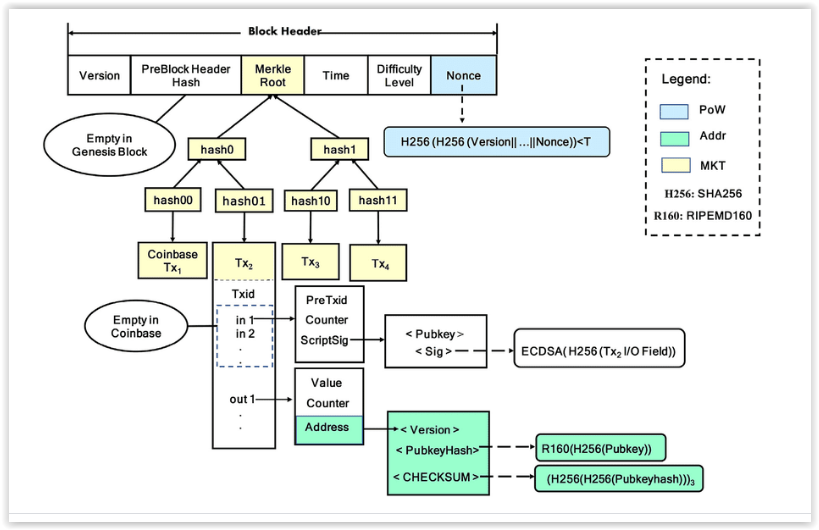
Καθιστώντας δύσκολη την αντιστροφή της κατακερματισμένης αξίας, μια συναλλαγή γίνεται άκαμπτη. Κάθε μπλοκ σε μια αλυσίδα περιέχει ένα συγκεκριμένο σύνολο δεδομένων από το προηγούμενο τμήμα. Επομένως, ακόμη και αν ένας κακόβουλος ηθοποιός αντιστρέψει τον κατακερματισμό, το προκύπτον μπλοκ θα ήταν εκτός συγχρονισμού με τα υπόλοιπα μπλοκ, καθώς θα έχει διαφορετική έξοδο κατακερματισμού, προκαλώντας έτσι το σύστημα να το απορρίψει.
Όσο περισσότερο υπάρχει blockchain και όσο περισσότεροι νέοι χρήστες προσελκύει, τόσο λιγότερο πιθανό είναι να υποστεί επίθεση 51% λόγω της αυξανόμενης ισχύος κατακερματισμού.
Αυτό γίνεται απαγορευτικά ακριβό σε ένα συγκεκριμένο σημείο. Επομένως, λαμβάνοντας υπόψη το μέγεθος των καθιερωμένων blockchains όπως το Ethereum και το Bitcoin, ένα τέτοιο σενάριο είναι σχεδόν αδύνατο.
Ένας άλλος λόγος για τον οποίο είναι ακόμη πιο δύσκολο να χαράξεις ένα blockchain είναι ότι σε περίπτωση που το μπλοκ που ξανακερδίσει βρίσκεται στο κέντρο της αλυσίδας, ο εισβολέας θα πρέπει να ξανακερδίσει προηγούμενα μπλοκ για να ευθυγραμμίσει το ιστορικό τους γραμματόσημο με το νέο μπλοκ.
Για το Bitcoin, αυτό είναι δυνατό μόνο με την επόμενη γενιά κβαντικών υπολογιστών, η οποία προς το παρόν δεν υπάρχει. Και ακόμη και όταν συμβαίνει αυτό, ποιος θα πει ότι δεν θα υπάρχει ένας μηχανισμός κβαντικής άμυνας που βασίζεται σε blockchain για τον μετριασμό των κβαντικών επιθέσεων;
Στα συστήματα που βασίζονται σε PoS, τα στοιχήματα καθορίζουν την ισχύ του δικτύου. Για να το επεξεργαστείτε, αυτό σημαίνει ότι οι χρήστες που έχουν εκχωρήσει ή έχουν κλειδώσει ενεργά τα εγγενή τους στοιχεία blockchain για να συμμετάσχουν στην επεξεργασία συναλλαγών και στην εύρεση νέων μπλοκ Σε τέτοια συστήματα, μια επίθεση συμβαίνει όταν ένας χάκερ ελέγχει την πλειοψηφία του στοιχήματος.
Αυτό είναι δυνατό όταν ο εισβολέας συσσωρεύει πάνω από το 51% όλων των κερμάτων που κυκλοφορούν. Για αξιόπιστα δίκτυα όπως η εξελισσόμενη πλατφόρμα Ethereum 2.0, αυτό είναι αδύνατο. Φανταστείτε να προσπαθείτε να βρείτε τα κεφάλαια για να αγοράσετε το 51% του τρέχοντος κεφαλαίου αγοράς της ETH 68 δισεκατομμυρίων δολαρίων!
Δεν μπορείτε να ενορχηστρώσετε μια επίθεση μυστικότητας 51% χωρίς να δημιουργήσετε υπερβολική έλλειψη, καθώς η αγορά νομισμάτων σας θα κάνει τα διαθέσιμα να φουσκώνουν σε αξία σε απίστευτα υψηλά επίπεδα. Αντίθετα, όταν οι συμμετέχοντες στο blockchain ανακαλύπτουν ότι έχετε την πλειοψηφία των νομισμάτων, πιθανότατα θα πουλήσουν τις συμμετοχές τους, καταστρέφοντας έτσι την αγορά με υπερβολική προσφορά. Έτσι θα καταλήξετε να αγοράζετε υψηλά και να πωλείτε χαμηλά!
Απάντηση: Ποσοστό κατακερματισμού Καλή ερώτηση. Βασίζεται στη δύναμη ενός δικτύου. Σημαντικά 51% των θυμάτων επίθεσης περιλαμβάνουν Ethereum Classic, Bitcoin Gold, Electroneum και πιο πρόσφατα Grin. Το δίκτυο Ethereum Classic χρησιμοποιεί τον αλγόριθμο συναίνεσης PoW. Αν και το Bitcoin χρησιμοποιεί τον ίδιο αλγόριθμο, το ETC έχει πολύ μικρότερο αριθμό κόμβων και ανθρακωρύχων που ασφαλίζουν το σύστημα. Έτσι, έχει λιγότερη ισχύ επεξεργασίας, καθιστώντας ευκολότερο τον έλεγχο ενός εισβολέα.
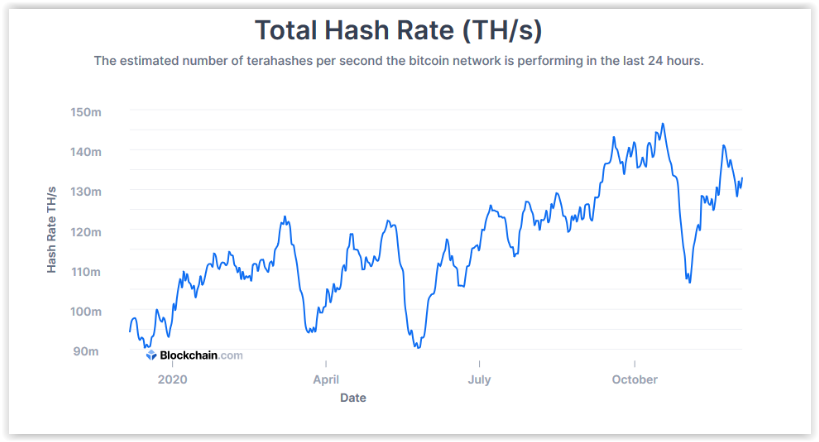
Το ETC έχει ρυθμό κατακερματισμού 1,6 tera hash ανά δευτερόλεπτο, ενώ το Bitcoin είναι 117,9 exa hash ανά δευτερόλεπτο.
Το μέλλον των Blockchain Hacks
Μέχρι στιγμής, κανείς δεν έχει παραβιάσει μεμονωμένα ένα blockchain. Αντ ‘αυτού, είναι συνήθως μια ομάδα κακόβουλων ηθοποιών ή της βασικής ομάδας προγραμματιστών που συνεργάζονται για να παραβιάσουν την ασφάλεια ενός blockchain. Ωστόσο, καθώς οι πλατφόρμες blockchain γίνονται πιο δυνατές μέσω της αύξησης των κόμβων ή των stakers, η πιθανότητα εισβολής ενός αποκεντρωμένου δικτύου κινείται όλο και περισσότερο προς το μηδέν.
Επιπλέον, τα νεότερα συστήματα blockchain χρησιμοποιούν ακαδημαϊκά αποδεδειγμένες τεχνικές που θα χρειαστούν πολύ εξειδικευμένους κβαντικούς υπολογιστές για να κάνουν hack. Για να συνοψίσουμε τα πάντα – αν έχετε ακούσει ποτέ κάποιον να λέει ότι “μπλοκάρει μπλοκ! τώρα έχετε τα εργαλεία για να τα διορθώσετε (ευγενικά) και να τα στείλετε στο δρόμο τους.
The post Γιατί κανείς δεν μπορεί να “χακάρει” ένα Blockchain appeared first on We Greece.
]]>The post Πάνω από 7 εκατομμύρια Αμερικανοί κατέχουν BTC, αλλά δεν κρατούν κανένα σε λογαριασμούς συνταξιοδότησης appeared first on We Greece.
]]>Ο Ryan Radloff, Διευθύνων Σύμβουλος της “Kingdom Trust”, εξήγησε πρόσφατα ότι ένας μεγάλος αριθμός Αμερικανών δεν κατέχουν Bitcoin (BTC) στους λογαριασμούς συνταξιοδότησής τους.
“Υπάρχουν 7,1 εκατομμύρια Αμερικανοί που έχουν ήδη κάνει το άλμα για να αγοράσουν Bitcoin ή να κάνουν την “κατάδυση” στη βιομηχανία μας και να έχουν λογαριασμό συνταξιοδότησης, αλλά δεν έχουν Bitcoin στο λογαριασμό συνταξιοδότησής τους”, δήλωσε ο Radloff στον συνεργάτη της “Morgan Creek Digital”. και ιδρυτή Anthony Pompliano σε συνέντευξη στις 18 Ιουλίου.
Οι λογαριασμοί συνταξιοδότησης επιτρέπουν στο κοινό να βάλει χρήματα σε ένα μακροπρόθεσμο επενδυτικό ταμείο, με την προϋπόθεση να παίρνει χρήματα μόνο από αυτόν τον λογαριασμό μετά από μια συγκεκριμένη χρονική περίοδο – συνήθως συνολικά δεκαετίες, ανάλογα με την ηλικία των συμμετεχόντων. Μια τέτοια μορφή συνοδεύεται από σημαντικές φορολογικές ελαφρύνσεις και κίνητρα.
Υπάρχουν διάφορες λύσεις ως πύλες για αγορές και επενδύσεις σε λογαριασμούς συνταξιοδότησης Bitcoin, συμπεριλαμβανομένης μιας επιλογής από την “Kingdom Trust”. Σύμφωνα με τον Radloff, οι άνθρωποι έχουν διαθέσιμο κεφάλαιο στους λογαριασμούς συνταξιοδότησής τους για BTC, αλλά δεν έχουν “τραβήξει τη σκανδάλη” στην αγορά.
“Αν κοιτάξετε επίσης τα επενδυτικά, διακριτικά χρήματα των ανθρώπων, έχουν συνήθως τρεις έως τέσσερις φορές περισσότερο επενδυτικά διακριτικά χρήματα στους λογαριασμούς συνταξιοδότησής τους απ ‘ ό,τι στους λογαριασμούς τους χωρίς συνταξιοδότηση”, δήλωσε ο Radloff.
Το Bitcoin εξηγεί την ευκαιρία αυτή τη στιγμή, δεδομένου του αριθμού των ατόμων στον κλάδο, σε συνδυασμό με τη χρήση λογαριασμού συνταξιοδότησης, σημείωσε ο Radloff.
Ο ίδιος είπε:
“Όταν λέω ότι αυτή είναι η μεγαλύτερη ευκαιρία για το Bitcoin, ειδικά σε αυτό το είδος μοντέλου stock-to-flow που εξετάζουμε, κοιτάζω 7,1 εκατομμύρια Bitcoin που έχουν τριπλάσια επενδυτικά χρήματα στους λογαριασμούς συνταξιοδότησής τους που προέκυψαν» να χρησιμοποιούν τους λογαριασμούς συνταξιοδότησής τους στο HODL.”
Αναφέροντας τα τρισεκατομμύρια δολάρια που παίζουν στην αγορά συνταξιοδότησης, ο Radloff σημείωσε επίσης την έλλειψη λειτουργικής δομής γύρω από εταιρείες crypto και blockchain που προσφέρουν 401k επιλογές στους υπαλλήλους τους.
Το σχόλιο του Radloff σχετικά με την ευκαιρία έρχεται με αναφορά στην αναλογία αποθεμάτων προς ροή του Bitcoin, που έγινε από τον αναλυτή της “Crypto Twitter”, PlanB. Το μοντέλο εξηγεί ουσιαστικά την αναπόφευκτη αύξηση της τιμής του Bitcoin λόγω της μειωμένης πληρωμής ανταμοιβής εξόρυξης και της περιορισμένης μέγιστης προσφοράς.
Πηγή: https://cointelegraph.com/news/over-7m-americans-own-btc-but-hold-none-in-retirement-accounts
The post Πάνω από 7 εκατομμύρια Αμερικανοί κατέχουν BTC, αλλά δεν κρατούν κανένα σε λογαριασμούς συνταξιοδότησης appeared first on We Greece.
]]>The post Ανδρέας Αντωνόπουλος: Χρησιμοποιήστε συμβάσεις DeFi για παθητικό εισόδημα BTC appeared first on We Greece.
]]>Σε μια ζωντανή ερώτηση στο κανάλι YouTube του Αντωνόπουλου στις 27 Ιουνίου, είπε ότι οι συμβάσεις αποκεντρωμένης χρηματοδότησης (Decentralized Finance – DeFi) ήταν ένας τρόπος για τους κατόχους Bitcoin (BTC) να παράγουν παθητικό εισόδημα χωρίς να παραιτηθούν από την επιτήρηση των νομισμάτων τους. Το “παθητικό εισόδημα” αναφέρεται σε χρήματα που κερδίζονται χρησιμοποιώντας μεθόδους που απαιτούν ελάχιστη προσπάθεια.
Σύμφωνα με τον Αντωνόπουλο, οι επενδυτές θα μπορούσαν να μετατρέψουν το BTC τους σε Ethereum (ETH) ή ένα stablecoin όπως το Dai (DAI), και στη συνέχεια να το δανείσουν σε μια πλατφόρμα όπου το διακριτικό μπορεί να κερδίσει τόκους. Ωστόσο, είπε ότι η πραγματοποίηση τέτοιων συναλλαγών σε πλατφόρμες με βάση το Ethereum ήταν «αρκετά επικίνδυνη» όσον αφορά την ασφάλεια, τα έξυπνα συμβόλαια με σφάλματα και την ίδια την πλατφόρμα:
”Το Ethereum μπορεί να έχει προβλήματα. Μπορεί να έχει σφάλματα. Ο αλγόριθμος συναίνεσης μπορεί να έχει αποτυχίες. Μπορεί να έχετε αυξήσεις στην τιμή του φυσικού αερίου, γεγονός που οδηγεί σε άλλα προβλήματα. Και όλα αυτά μπορούν να σας κάνουν να χάσετε μέρος ή όλο το επενδυμένο κεφάλαιό σας.”
Ο δανεισμός κρυπτονομισμάτων μπορεί να είναι ένα επικίνδυνο στοίχημα λόγω της μεγάλης αστάθειας των ψηφιακών νομισμάτων, με μεγάλο αριθμό κρυπτογραφημένων δανείων που χρησιμοποιούνται για διαπραγμάτευση περιθωρίου. Ωστόσο, ο όγκος αυτών των δανείων έφτασε τα 8 δισεκατομμύρια δολάρια πέρυσι και ενδέχεται να συνεχίσει να προσελκύει επενδυτές.
Αν και ο Αντωνόπουλος ανέφερε άλλες μεθόδους για να δουλέψουν τα νομίσματα των επενδυτών, σχεδόν κάθε τρόπος για να γίνει αυτό σήμαινε να βασίζεσαι σε μια εθελοντική ανταλλαγή. Ο εκπαιδευτικός του Bitcoin είπε ότι τέτοιες επενδύσεις ενέχουν τον κίνδυνο κλοπής ή κακής διαχείρισης.
Οι Bitcoin HODLers, από την άλλη πλευρά, δεν κερδίζουν μερίσματα ή τόκους από τις επενδύσεις τους – ή οτιδήποτε άλλο – έως ότου αποφασίσουν τελικά να εξαργυρώσουν. Ο Αντωνόπουλος λέει ότι οι HODLers ελπίζουν για εκτίμηση, αλλά «αυτό που ανεβαίνει, μπορεί να μειωθεί».
Ο εκπαιδευτής Bitcoin λέει ότι το ίδιο ισχύει και για τους εμπόρους κρυπτονομισμάτων: «Μπορείτε να τραβήξετε τα Bitcoin σας και να τα μετατρέψετε, να αγοράσετε 1.000 altcoins και, στη συνέχεια, να τα παρακολουθήσετε να πέφτουν κατά 98%.»
Άλλοι στην κοινότητα κρυπτονομισμάτων σχολίασαν τη δημιουργία παθητικού εισοδήματος μέσω δανεισμού DeFi. Η ”Cointelegraph” ανέφερε τον Μάρτιο ότι ο Διευθυντής Οικονομικών Αγορών του ”ΟΚΕx” Λένιξ Λάι είπε: «Ο συνδυασμός κρυπτονομισμάτων και DeFi δημιουργεί έναν εναλλακτικό τρόπο για τους χρήστες να κερδίζουν παθητικό εισόδημα που δεν ήταν δυνατό πριν».
Πηγή: https://cointelegraph.com/news/andreas-antonopoulos-use-defi-contracts-for-btc-passive-income
The post Ανδρέας Αντωνόπουλος: Χρησιμοποιήστε συμβάσεις DeFi για παθητικό εισόδημα BTC appeared first on We Greece.
]]>The post Είναι το Bitcoin και τα κρυπτονομίσματα η τέλεια αντιστάθμιση στην κρίση του Covid-19; appeared first on We Greece.
]]>Οι οικονομικές επιπτώσεις του Covid-19 έχουν στείλει επενδυτές σε αναζήτηση περιουσιακών στοιχείων που μπορούν να προσφέρουν καταφύγιο κατά τη διάρκεια της καταιγίδας και αντιστάθμιση έναντι μακροοικονομικών γεγονότων. Με φόντο τη συρρίκνωση του ΑΕΠ, την οικονομική επιβράδυνση, τις κρατικές διασώσεις και τα φορολογικά κίνητρα, όπως η εκτύπωση χρημάτων, τα bitcoin και τα κρυπτονομίσματα έχουν χαρακτηριστεί ως αντιστάθμιση έναντι του πληθωρισμού.
Όχι προφανής στις ιδιοτροπίες οποιουδήποτε πολιτικού ηγέτη ή παγκόσμιας υπερδύναμης, τα περιουσιακά στοιχεία κρυπτογράφησης καθορίζονται από τη σταθερή, γνωστή και επαληθεύσιμη προσφορά τους. Δεν μπορούν να υποτιμηθούν ή να πλημμυρίσουν την οικονομία για να στηρίξουν τα αποτυχημένα ιδρύματα ή να χρησιμοποιηθούν για τον εμπλουτισμό του 1% εις βάρος των άλλων 99. Αλλά είναι αυτές οι ιδιότητες αρκετές για να κάνουν το bitcoin και τα παρεμφερή του περιουσιακά στοιχεία ικανά να χρησιμεύσουν ως αντιστάθμιση; Και αν ναι, πώς μπορείτε να αυξήσετε την έκθεσή σας σε bitcoin, λαμβάνοντας ταυτόχρονα μέτρα για τον μετριασμό τυχόν αρνητικού κινδύνου;
Η περίπτωση της επένδυσης σε Bitcoin
Η περίπτωση για την επένδυση σε bitcoin είναι η ίδια με εκείνη κάθε περιουσιακού στοιχείου: πιστεύετε ότι η ζήτηση γι’ αυτό είναι πιθανό να αυξηθεί τους επόμενους μήνες και χρόνια, οδηγώντας σε αντίστοιχη αύξηση της τιμής. Αυτό θα σας επιτρέψει να πουλήσετε το περιουσιακό στοιχείο για περισσότερα από όσα πληρώσατε γι’ αυτό. Αλλά αν αυτή η διατριβή ισχύει, τι γίνεται με το bitcoin που είναι πιθανό να αυξήσει τον αριθμό του, καθώς οι έμποροι κρυπτονομισμάτων αστειεύονται αναφορικά με αυτό;
Υπάρχουν πολλοί λόγοι για τους οποίους το bitcoin θεωρείται ελκυστική επένδυση και αντιστάθμιση έναντι των παραδοσιακών επενδύσεων.
Ο διάσημος επενδυτής Paul Tudor Jones χαρακτήρισε το bitcoin «μια μεγάλη κερδοσκοπία» και είπε ότι του θυμίζει τον χρυσό τη δεκαετία του 1970. “Κάθε μέρα που περνάει το Bitcoin, επιβιώνει η εμπιστοσύνη σε αυτό”, σημείωσε ο Τζόουνς, ο οποίος τώρα έχει περίπου το 2% του πλούτου του σε bitcoin.
Ο πρώην διευθυντής του ”Goldman Sachs Fund”, Raoul Pal, εν τω μεταξύ, έχει μεταφέρει το 25% του χαρτοφυλακίου του στο Bitcoin μετά την κρίση του Covid-19. Το θεσμικό ενδιαφέρον για το bitcoin αυξάνεται και το 80% των θεσμικών επενδυτών βλέπουν τώρα την ελκυστικότητα των ψηφιακών στοιχείων.
Και, στη συνέχεια, υπάρχουν τα δεδομένα της αλυσίδας που χρωματίζουν μια ροδαλή εικόνα του μέλλοντος του bitcoin, με βάση μετρήσεις όπως μοτίβα κράτησης, όγκο συναλλαγών και το ποσό του BTC που αποσύρεται από τις ανταλλαγές για μακροπρόθεσμη αποθήκευση. Ο αναλυτής του bitcoin Willy Woo εκτιμά ότι το BTC απέχει λιγότερο από ένα μήνα από το να ξεκινήσει την επόμενη ανοδική του πορεία, με βάση τα δεδομένα της αγοράς και της αλυσίδας.
Τέλος, η προσφορά του Bitcoin μειώνεται με την πάροδο του χρόνου επειδή ο αριθμός των νέων νομισμάτων που εκδίδονται από τους miners μειώνεται στο ήμισυ κάθε τέσσερα χρόνια. Ως αποτέλεσμα, το απόθεμα προς ροή του Bitcoin, το οποίο δηλώνει τον αριθμό ετών, με τον τρέχοντα ρυθμό παραγωγής, που απαιτείται για την επίτευξη της τρέχουσας προσφοράς, αυξάνεται. Το απόθεμα προς ροή του Bitcoin ανέρχεται τώρα στα 50 (χρόνια), τοποθετώντας το κοντά στο χρυσό.
Η περίπτωση επένδυσης σε άλλα ψηφιακά περιουσιακά στοιχεία
Το Bitcoin δεν είναι το μόνο κρυπτονόμισμα στην αγορά φυσικά. Στην πραγματικότητα υπάρχουν χιλιάδες ψηφιακά περιουσιακά στοιχεία, αν και μόνο μια χούφτα από αυτά δικαιολογούν την εκτίμηση ως επένδυση και πιθανή αντιστάθμιση. Για παράδειγμα, εάν πιστεύετε ότι το μέλλον των χρηματοοικονομικών πόρων έγκειται σε ιδιωτικές συναλλαγές και ψηφιακά μετρητά, μπορεί να δείτε αξία σε monero (XMR). Εάν πιστεύετε ότι η ανοιχτή χρηματοδότηση που επιβάλλεται από έξυπνες συμβάσεις θα είναι ένας σημαντικός τομέας ανάπτυξης, ίσως θελήσετε να επενδύσετε στο οικοσύστημα του Ethereum.
Όσο μικρότερη είναι η κεφαλαιοποίηση της αγοράς του ενεργητικού κρυπτονομίσματος στο οποίο επενδύετε, τόσο μεγαλύτερος είναι ο κίνδυνος – αλλά τόσο υψηλότερη είναι και η πιθανή ανοδική πορεία. Επομένως, είναι επιτακτική ανάγκη να καταλάβετε το κρυπτονόμισμα που σκέφτεστε και τη λειτουργία του στο δίκτυο blockchain που διαθέτει.
Για παράδειγμα, αποκεντρωμένα χρηματοοικονομικά έργα όπως το ”Compound” και το ”Balancer” επιτρέπουν στους κατόχους συμβόλων να κερδίζουν απόδοση για στοιχήματα περιουσιακών στοιχείων και παροχή ρευστότητας. Τα κέρδη με απόδοση κρυπτογράφησης – σε αυτήν την περίπτωση ”COMP” και ”BAL” – ακούγονται ελκυστικά, αλλά απαιτούν βαθιά γνώση του τρόπου λειτουργίας των αντίστοιχων πρωτοκόλλων τους και όχι για περιστασιακούς επενδυτές.
Για επενδυτές που αναζητούν άλφα στον τομέα της κρυπτογράφησης, δεν υπάρχει έλλειψη ευκαιριών. Λάβετε υπόψη, ωστόσο, ότι τα περιουσιακά στοιχεία κρυπτογράφησης παραμένουν σε μεγάλο βαθμό συσχετισμένα με το bitcoin και, ως εκ τούτου, εξαρτώνται εν μέρει από τον τρόπο απόδοσής του. Όταν το BTC βρίσκεται σε μια ανοδική πορεία, συνήθως ανεβάζει την υπόλοιπη αγορά μαζί της και αντίστροφα.
Πού να αγοράσετε Bitcoin
Η αγορά bitcoin είναι μια γρήγορη διαδικασία αυτές τις μέρες, χάρη σε μια σειρά φιλικών προς τον καταναλωτή εφαρμογών και ιστότοπων που εξαλείφουν την πολυπλοκότητα. Πλατφόρμες όπως η ”Skrill” έχουν απορροφήσει ένα κομμάτι της ενέργειας από πλευράς καταναλωτή, επιτρέποντας την αγορά κρυπτονομισμάτων με δεκάδες νομίσματα fiat και μεθόδους κατάθεσης.
Η φήμη της ”Skrill” ως αξιόπιστου επεξεργαστή ψηφιακών πληρωμών βοήθησε στη διαφοροποίησή της σε κρυπτονομίσματα, ενώ η δυνατότητα υποβολής αυτοματοποιημένων παραγγελιών σε συγκεκριμένα σημεία τιμών επιτρέπει στους αγοραστές να εισέλθουν στην αγορά εάν και όταν το BTC φτάσει τον επιθυμητό στόχο τιμών.
Ενώ η ”Skrill” επιτρέπει επίσης την ανταλλαγή BTC για άλλα κρυπτονομίσματα, όπως μετρητά bitcoin, EOS, Ethereum, ethereum classic και litecoin, οι επενδυτές που επιδιώκουν να ανταλλάξουν ενεργά ψηφιακά περιουσιακά στοιχεία θα πρέπει να εξετάσουν το ενδεχόμενο να το πράξουν σε ένα ειδικό χρηματιστήριο.
Πολλά από τα πιο δημοφιλή χρηματιστήρια, όπως το ”Binance” και το ”Coinbase” έχουν fiat on-ramps, επιτρέποντας στους επενδυτές να αγοράζουν κρυπτονομίσματα μέσω χρεωστικής κάρτας ή τραπεζικής μεταφοράς και, στη συνέχεια, να πραγματοποιούν συναλλαγές μέσα και έξω από σταθερά νομίσματα και κρυπτονομίσματα στο χρηματιστήριο.
Κανένας ”αντισταθμιστής” δεν είναι τέλειος
Το Bitcoin και άλλα κρυπτονομίσματα δεν αποσυνδέονται πλήρως από την ευρύτερη χρηματοοικονομική αγορά. Σε μια κρίση σε μετρητά, για παράδειγμα, οι επενδυτές θα πουλήσουν τα πιο ρευστά περιουσιακά τους στοιχεία και έτσι το BTC μπορεί να είναι ένας από τους πρώτους υποψηφίους που θα ξεφορτωθούν.
Αυτό που παρέχει το bitcoin, ωστόσο, είναι μια επενδυτική επιλογή της οποίας ο σχεδιασμός, η διαφάνεια, η έκδοση και η δυνατότητα μεταφοράς είναι σε πλήρη αντίθεση με το παραδοσιακό χρηματοοικονομικό σύστημα. Οι έξυπνοι επενδυτές πρέπει να εξετάσουν το ενδεχόμενο να διαθέσουν ένα μέρος του χαρτοφυλακίου τους στο bitcoin και στη συνέχεια να το αυξήσουν καθώς το BTC αποδεικνύει την ικανότητά του να χρησιμεύσει ως οικονομική αντιστάθμιση.
Πηγή: https://www.information-age.com/bitcoin-cryptocurrencies-perfect-hedge-covid-19-crisis-123490086/
The post Είναι το Bitcoin και τα κρυπτονομίσματα η τέλεια αντιστάθμιση στην κρίση του Covid-19; appeared first on We Greece.
]]>The post Το ”Zoom Scandal Data” δείχνει ότι το Blockchain μπορεί να είναι το μέλλον των επικοινωνιών appeared first on We Greece.
]]>Παρόλα αυτά, ενώ το ”Zoom” μπορεί να φαινόταν σαν την τέλεια εναλλακτική λύση για τις προσωπικές συναντήσεις, υπάρχει ένα μεγάλο ελάττωμα ασφαλείας στο σύστημα. Μετά το ξαφνικό ”μπαλόνι” στους καθημερινούς χρήστες ανακαλύφθηκε την περασμένη εβδομάδα ότι χιλιάδες προσωπικά βίντεο ”Zoom” έχουν μείνει ανοιχτά προς θέαση στον ανοιχτό ιστό.
Ποιο είναι το θέμα;
Ο Ankit Bhatia, διευθύνων σύμβουλος και συνιδρυτής της κοινωνικής πλατφόρμας του ”Sapien Network”, είπε στην ”Cointelegraph” ότι η εγγραφή στο ”Zoom” δεν ήταν ποτέ μια ασφαλής διαδικασία:
“Εάν γνωρίζετε ότι ο διακομιστής είναι ενεργοποιημένος, τότε χρειάζεται μόνο να εκτελέσετε μια δέσμη ενεργειών για να δημιουργήσετε τη σωστή ακολουθία αριθμών σε μια δεδομένη χρονική στιγμή και είστε δυνητικά σε ένα συνέδριο, είτε πρόκειται για μια καθημερινή τεχνική εκδήλωση είτε για μία συνάντηση. Αυτό είναι ιδιαίτερα εύκολο όταν οι χρήστες Zoom δεν προστατεύουν με κωδικό τους τις συναντήσεις τους.”
Εκτός από τους ξένους που έχουν πρόσβαση σε ιδιωτικά ”Zoom” βίντεο, διακυβεύονται επίσης προσωπικά αναγνωρίσιμα στοιχεία, όπως διευθύνσεις ηλεκτρονικού ταχυδρομείου και κωδικοί πρόσβασης.
Ο Jeff Pulver, πρωτοπόρος του πρωτοκόλλου ”Voice Over Internet Protocol”, δήλωσε στην ”Cointelegraph” ότι το κύριο ζήτημα με όλες τις σημαντικές υπηρεσίες επικοινωνίας, όπως το ”Zoom”, είναι ότι χρησιμοποιεί κεντρικούς μηχανισμούς αποθήκευσης δεδομένων. Εξαιτίας αυτού, το ”Zoom” θέτει απειλές ασφαλείας στις εμπιστευτικές πληροφορίες που συλλέγει. Ο ίδιος εξήγησε:
“Εταιρείες όπως το ”Zoom” λένε ότι δεν μπορούν να έχουν πρόσβαση στα δεδομένα των χρηστών, αλλά εξακολουθούν να εξορύσσουν τα δεδομένα που παράγονται από αυτές τις εφαρμογές, όπως πόσο συχνά οι χρήστες μιλούν σε κάποιον και τους αριθμούς τηλεφώνου τους που έχουν αποθηκεύσει στο βιβλίο διευθύνσεων του smartphone. Η δρομολόγηση όλων των επιχειρηματικών και προσωπικών δεδομένων μέσω ενός κεντρικού εξυπηρετητή με ένα κύριο σημείο επαφής αποτελεί ένα συντριπτικό πλήθος απειλών για την ασφάλεια των πληροφοριών”.
Ο Pulver, ο οποίος ανέθεσε την “Παραγγελία Pulver” που υιοθετήθηκε από την Ομοσπονδιακή Επιτροπή Επικοινωνιών των Η.Π.Α., για να διασφαλίσει ότι οι χρήστες δεν χρειάζεται να πληρώσουν για εφαρμογές επικοινωνίας όπως το ”FaceTime”, κατανοητό νωρίς για τα ζητήματα δεδομένων που θέτει το ”Zoom”. Σημείωσε ότι οι χιλιάδες παραβιάσεις δεδομένων που σημειώθηκαν μεταξύ 2018 και 2019 θα έπρεπε να είναι μια παγκόσμια κλήση αφύπνισης για άτομα που προσπαθούν να κατανοήσουν καλύτερα πώς τα δεδομένα τους χρησιμοποιούνται από πλατφόρμες τρίτων.

Το Blockchain μπορεί να τροφοδοτήσει μια νέα εποχή επικοινωνίας
Ως εκ τούτου, ο Pulver πιστεύει ότι ο καλύτερος τρόπος για να καθίστανται διαθέσιμες καθολικά οι υπηρεσίες επικοινωνίας υψηλής ασφάλειας είναι η χρήση τεχνολογίας blockchain. “Αποφεύγοντας τον κεντρικό έλεγχο, θα αφαιρέσουμε τον αδύναμο κρίκο από την εξίσωση – τα τρίτα μέρη”, εξήγησε. Ο Pulver το προηγούμενο έτος ανέπτυξε ένα δίκτυο επικοινωνιών βασισμένο στο blockchain που ονομάζεται ”Debrief”.
Σε αντίθεση με τις συμβατικές εφαρμογές βίντεο, το ”Debrief” είναι ένα δίκτυο ανοιχτού κώδικα blockchain πάνω στο οποίο μπορούν να κατασκευαστούν εφαρμογές επικοινωνίας. Σύμφωνα με τον Pulver, η χρήση blockchain δημιουργεί υψηλότερο επίπεδο ασφάλειας όσον αφορά τα προσωπικά στοιχεία των χρηστών:
“Σε αντίθεση με το ”Facebook Messenger” ή το ”Hangouts” της ”Google”, το ”Debrief” κρυπτογραφεί τα μηνύματα χρήστη από προεπιλογή και δεν διατηρεί ουσιαστικά καμία πληροφορία των χρηστών, συμπεριλαμβανομένων των μηνυμάτων και των βιβλίων διευθύνσεων, στους διακομιστές του, αφού είναι αποκεντρωμένοι”.
Ο Karen Sun, full-stack προγραμματιστής της ”Debest” και πρώην διευθυντής διαμόρφωσης λύσεων της ”Ericsson”, δήλωσε στην ”Cointelergraph” ότι “Ακόμη και αν οι διακομιστές μας μπερδευτούν, οι δράστες δεν θα μπορέσουν να αποκρυπτογραφήσουν τα μηνύματα που αποθηκεύονται εκεί”.
Σύμφωνα με τον Pulver, το ”Debrief” έχει χτιστεί κυρίως για ταχείες και ιδιωτικές συναλλαγές. Σε αντίθεση με τις παραδοσιακές δημόσιες αλυσίδες όπως το Ethereum, η υποδομή του ”Debrief” έχει κατασκευαστεί για να εξασφαλίζει γρήγορες και αξιόπιστες συνδέσεις ειδικά για επικοινωνία. Ο Pulver σημείωσε επίσης ότι το ”Debrief” περιέχει συστατικό ”Middleware” ανοιχτού κώδικα, επιτρέποντας στις κεντρικές συγκεντρωτικές εφαρμογές όπως το ”Zoom” να χρησιμοποιούν το blockchain του ”Debrief” με τη συμπλήρωση του κώδικά τους στον κώδικα μας”.
Ενώ το ”Debnet Testnet” ξεκίνησε ιδιωτικά το Φεβρουάριο του 2020, ο Pulver ανέφερε ότι το ”MainNet ξεκινάει το τέταρτο τρίμηνο του τρέχοντος έτους. Η δημόσια προβολή ”Middleware” προβλέπεται επίσης για την ίδια περίοδο.
Μια τηλεδιάσκεψη DApp
Για τη χρήση εν τω μεταξύ, ο Pulver εξήγησε ότι έχει δημιουργηθεί μια αποκεντρωμένη εφαρμογή στο δίκτυο ”Debber”. Το ”DApp” παρέχει διασκέψεις βίντεο υψηλής ευκρίνειας, ήχο κλήσης και βίντεο κλήσης από ομότιμους χρήστες, ανταλλαγή μηνυμάτων, αποκεντρωμένη αποθήκευση αρχείων και πολλά άλλα. Η beta έκδοση του ”Debrief” μόλις κυκλοφόρησε, η οποία έχει ήδη δει πάνω από 1,2 εκατομμύρια συναλλαγές από πάνω από 3.000 συμμετέχοντες χρήστες.
Ο Pulver ανέφερε ότι η πρόκληση που προχωράει θα είναι η ευαισθητοποίηση του κοινού για τα δίκτυα επικοινωνίας που βασίζονται σε blockchain, προσθέτοντας: “Πρέπει να βρούμε προγραμματιστές που θέλουν να χρησιμοποιήσουν το blockchain μας για να δουν τι μπορούν να κάνουν με τα ”API” (ενδιάμεσο λογισμικό που επιτρέπει την επικοινωνία μεταξύ δύο εφαρμογών)”.
Επιπρόσθετα, οι κανονιστικές προκλήσεις και οι πρότυπες προκλήσεις των δεδομένων ενδέχεται επίσης να παρεμποδίσουν την υιοθέτηση ενός δικτύου επικοινωνιών βασισμένου σε blockchain. Ένα πρόσφατο άρθρο της ”Telecoms Tech” αναδεικνύει αυτές τις προκλήσεις, δηλώνοντας:
“Η τρέχουσα βιομηχανία τηλεπικοινωνιών ακολουθεί ένα σύνολο προτύπων δεδομένων, δομών και υποδομών μεταφοράς. Ως εκ τούτου, η προσθήκη εφαρμογών αποκλεισμού σε αυτό το υπάρχον πλαίσιο παρουσιάζει σημαντικές προκλήσεις. “
Ο Pulver, ωστόσο, παραμένει αισιόδοξος, λέγοντας:
“Έχουμε τη δυνατότητα να το φέρνουμε στον κλάδο των επικοινωνιών και η ελπίδα μου είναι να αποκτήσω χιλιάδες ανθρώπους να συνδεθούν και να καινοτομούν με θετικό και ασφαλή τρόπο”.
The post Το ”Zoom Scandal Data” δείχνει ότι το Blockchain μπορεί να είναι το μέλλον των επικοινωνιών appeared first on We Greece.
]]>The post Δόθηκε η πρώτη άδεια για καταθέσεις με τόκο σε Bitcoin appeared first on We Greece.
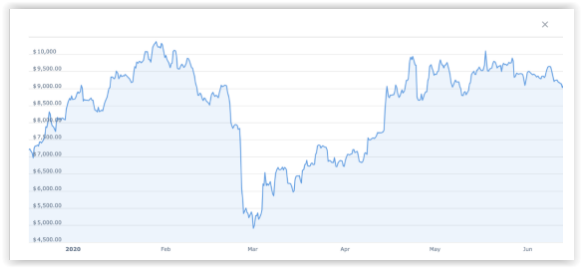
]]>Δεν είναι η πρώτη φορά που το Bitcoin φτάνει τις 10.000 δολάρια, αλλά η τρίτη στην ιστορία του.
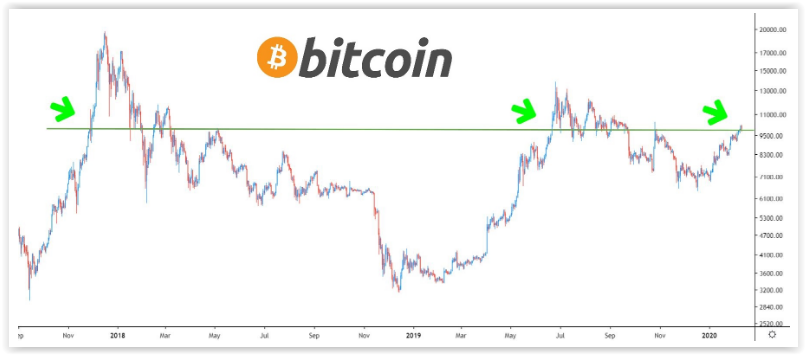
Αυτή η περίπτωση είναι διαφορετική από τις προηγούμενες. Δεν έχει προηγηθεί κάποια υπερβολική ή βιαστική κίνηση. Γι’ αυτό θεωρείται πως έχει πιο γερές βάσεις. Δεν βασίζεται στον ενθουσιασμό των επενδυτών ή σε κάποιο συγκυριακό γεγονός. Αν και από την ίδια του τη φύση ο αριθμός 10.000 έχει κάτι ιδιαίτερο. Από 4 ψηφία, ο αριθμός πλέον ανεβαίνει στα 5 ψηφία. Η αλλαγή είναι μεγάλη στην ψυχολογία, νιώθεις πως ανυψώνεσαι επίπεδο. Και όχι μόνο εκεί. Τα ΜΜΕ αρχίζουν να αναφέρονται πάλι στο «φαινόμενο» του Bitcoin. Αρχίζουν και ενημερώνουν γι’ αυτό. Ο κόσμος μαθαίνει τι είναι το halving και κάποια από τα μοναδικά χαρακτηριστικά του Bitcoin.
Το μόνο για το οποίο δεν μπορούμε να κατηγορήσουμε το Bitcoin είναι πως δεν έχει δώσει ευκαιρίες για να το αποκτήσει κανείς. Είχαμε 7 ολόκληρους μήνες για να αγοράσουμε κάτω από τις 5.000 δολάρια. Έστω και ένα μικρό του, ένα ελάχιστο κομμάτι. Γιατί μπορείς να αγοράσεις όσο επιθυμείς, ακόμα και λίγα ευρώ.
Η τιμή στο «ταμπλό» αντανακλά την προσδοκία. Μόνο που αυτή τη φορά οι υποδομές είναι πολύ πιο ανθεκτικές, πολύ πιο φιλόξενες. Ο κόσμος έχει μάθει γι’ αυτό, έστω και σαν όνομα. Οι θεσμικοί που έχουν τις «μεγάλες τσέπες» ετοιμάζονται να εισέλθουν. Ήδη όχι μόνο έχουν μπει κάποιοι από τους μεγάλους παίκτες στην αγορά, αλλά προετοιμάζουν το έδαφος για να μπορέσει να υποδεχτεί και τους υπόλοιπους. Υπάρχουν νόμιμοι πάροχοι και ανταλλακτήρια, που είναι συμμορφωμένα με τους νόμους του κάθε κράτους στο οποίο εδρεύουν και διαθέτουν επίσημες άδειες από τις Αρχές.
Όλα είναι έτοιμα για το μεγάλο ταξίδι. Πολλοί λένε πως γι’ αυτό τον λόγο είμαστε στην αρχή ενός νέου, μεγάλου, του μαζικότερου bull run που έχει υπάρξει ποτέ στην ιστορία του Bitcoin. Το επόμενο ερώτημα αφορά στο πόσο είναι το «αρκετά», για την τιμή του Bitcoin. Γιατί μέχρι τώρα μας έχει καταπλήξει.
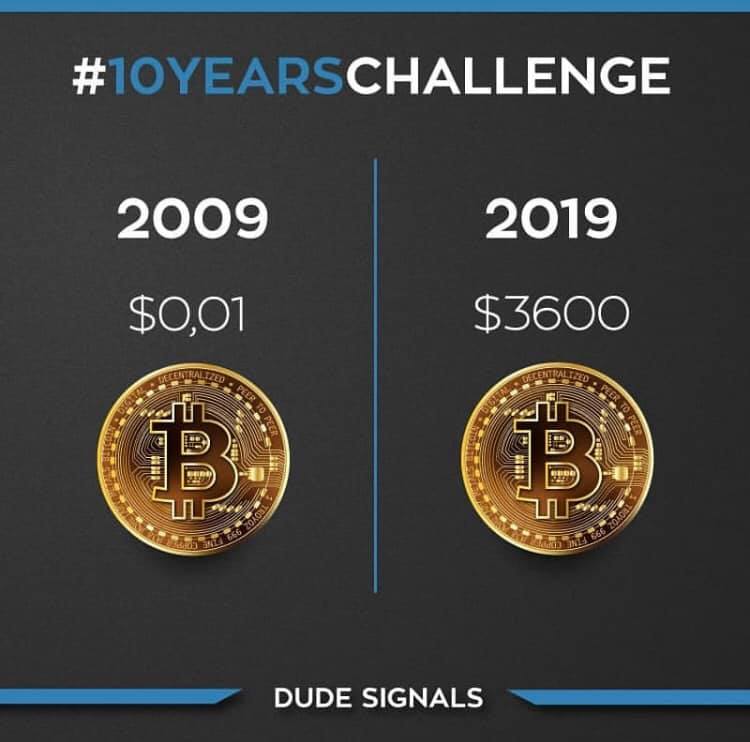
Η πορεία του δεν είναι παρά μια πορεία συνεχούς διάψευσης των προσδοκιών, συνήθως ξαφνιάζοντας μας θετικά. Πριν από 10 χρόνια, για να αγοράσεις 100-150 Bitcoin χρειαζόσουν 100 ευρώ. Αν τα είχες κρατήσει μέχρι σήμερα, θα άξιζαν ένα εκατομμύριο. Τα επόμενα δέκα χρόνια, πόσο θα αξίζουν άραγε;
Πλέον βλέπουμε να υπάρχουν άνθρωποι που επιθυμούν να αποταμιεύσουν τις οικονομίες τους σε Bitcoin, όχι ευρώ ή δολάρια ή λίρες. Σε Bitcoin; Τι παλαβομάρες είναι αυτές, θα διαμαρτυρηθούν πολλοί. Γιατί χρειαζόμαστε Bitcoin; Έχοντας τα λεφτά μου στις τράπεζες είναι εξασφαλισμένα, κάνω ανάληψη όποτε θέλω στο νόμισμα που χρησιμοποιώ, παίρνω τόκο, τα έχω ως μέσο αποταμίευσης.
Για να δούμε πόσα λάθη υπάρχουν στην τελευταία πρόταση:
Μα, είναι δυνατόν να έχει τόσα μειονεκτήματα το παραδοσιακό νομισματικό και τραπεζικό σύστημα; Δεν είναι η πρώτη φορά που μας ξεγελάει κάτι που έχουμε συνηθίσει να υπάρχει, που νιώθουμε τόσο οικείο, που δεν έχουμε προβληματιστεί πάνω σε αυτό.
Σε όλη την ιστορία, η κύρια μέθοδος επικοινωνίας με κάποιον σε μεγάλες αποστάσεις ήταν να στέλνεις μια επιστολή. Η αποστολή της μπορούσε να διαρκέσει ημέρες, εβδομάδες, ακόμη και μήνες. Χωρίς καμία εγγύηση ότι θα φτάσει στον προορισμό της. Το ηλεκτρονικό ταχυδρομείο άλλαξε δραστικά τις επικοινωνίες. Τα μηνύματα αποστέλλονται και λαμβάνονται αμέσως, από οπουδήποτε στον κόσμο. Πριν την εμφάνισή του, οι άνθρωποι δεν αντιλαμβάνονταν τα μειονεκτήματα του παλαιού συστήματος επικοινωνιών.
Αυτό ισχύει για το σημερινό νομισματικό σύστημα. Οι περισσότεροι δεν προβληματίζονται για τα μειονεκτήματα του παραδοσιακού τρόπου συναλλαγών. Ωστόσο μια νέα τεχνολογία αρχίζει ήδη να χαράζει.
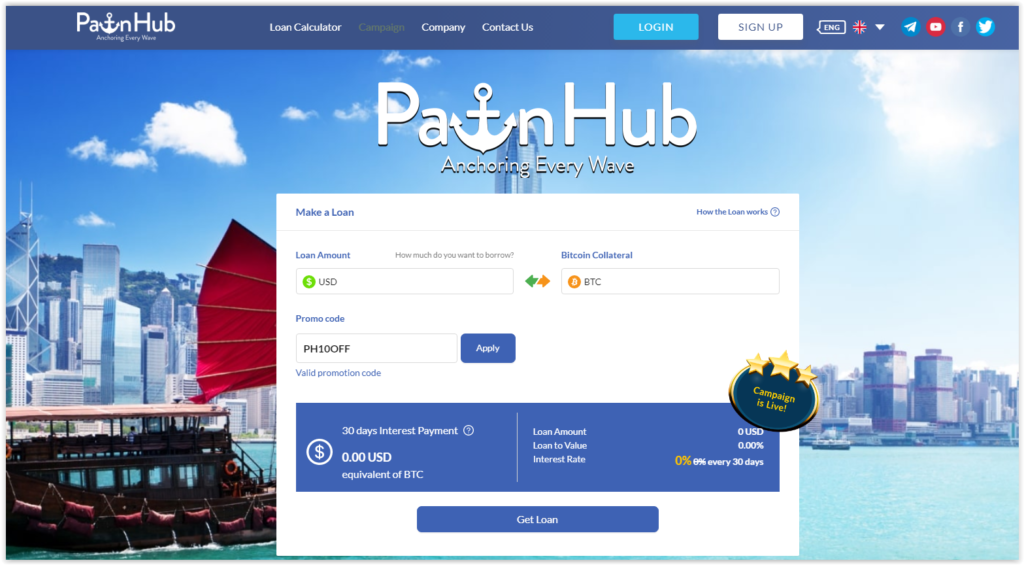
Οι εποχές πάντα αλλάζουν, μόνο που αυτή τη φορά τρέχουν. Δεν σε περιμένουν. Ήδη στο Χονγκ Κονγκ δόθηκε η πρώτη επίσημη κυβερνητική άδεια, στην εταιρεία ‘’Pawnhub’’, όπου θα δέχεται τις καταθέσεις σου σε Bitcoin και θα σου δίνει τόκο!
The post Δόθηκε η πρώτη άδεια για καταθέσεις με τόκο σε Bitcoin appeared first on We Greece.
]]>The post «Βόμβα» από τη ‘’Fidelity’’ για το Bitcoin! appeared first on We Greece.
]]>Η «βόμβα» έπεσε από τη θυγατρική της ‘’Fidelity’’, τη ‘’Fidelity Digital Assets’’. Στον λογαριασμό της στο Twitter δημοσίευσε μια μελέτη της ‘’Unchained Capital’’, από την οποία βγαίνει το συμπέρασμα ότι δίπλα στο Bitcoin όλες οι άλλες μορφές χρημάτων μοιάζουν απαρχαιωμένες. Και όχι μόνο αυτό. Αλλά και το ότι τα Bitcoin δεν φτάνουν για όλους (https://twitter.com/DigitalAssets/status/1223306849275076608)!
Για όσους δεν γνωρίζουν ποια είναι η ‘’Fidelity’’, πρόκειται για έναν επενδυτικό γίγαντα, από τους μεγαλύτερους διαχειριστές περιουσιακών στοιχείων στον κόσμο. Απασχολεί πάνω από 50.000 εργαζόμενους και εξυπηρετεί 30.000.000 πελάτες. Υπό την εποπτεία της βρίσκονται 7,8 τρισ. (7.800 δισεκατομμύρια) δολάρια, κυρίως μέσα από ένα ‘’μπουκέτο’’ αμοιβαίων κεφαλαίων.
Πάμε να δούμε ορισμένα αποσπάσματα από τη μελέτη (https://unchained-capital.com/blog/bitcoin-obsoletes-all-other-money/):
Όταν η κουβέντα στρέφεται στο Bitcoin, υπάρχουν γενικά δύο συνθήκες που φαίνεται να ισχύουν κάθε φορά. Όλοι πάντα αισθάνονται ότι τώρα είναι αργά να αγοράσουν και όλοι εύχονταν να είχαν αγοράσει περισσότερα. Υπάρχουν εξαιρέσεις σε κάθε κανόνα, αλλά το Βitcoin έχει μια εκπληκτική ικανότητα να εισχωρεί στον ψυχισμό των ανθρώπων.
Από ό,τι φαίνεται, τα 21 εκατομμύρια, που είναι ο μέγιστος αριθμός νομισμάτων που πρόκειται να υπάρξουν, είναι ελάχιστα, καθώς όλο και περισσότεροι αντιλαμβάνονται ότι αυτό το νούμερο δεν πρόκειται να παραβιαστεί. Η ζήτηση για Bitcoin καθοδηγείται από την αξιοπιστία των νομισματικών ιδιοτήτων του.
Μπορεί να φαίνεται τρελός όποιος πιστεύει ότι το Bitcoin θα είναι το κυρίαρχο παγκόσμιο νόμισμα. Η αξία του είναι μόλις 150 δισ. δολάρια, ελάχιστη σε σύγκριση με το παγκόσμιο χρηματοπιστωτικό σύστημα, που υποστηρίζει χρέη 250 τρισεκατομμυρίων δολαρίων. Ο χρυσός από μόνος του αξίζει 8 τρισεκατομμύρια δολάρια (50 φορές το μέγεθος του Βitcoin). Ποιες είναι οι πιθανότητες για κάτι τέτοιο; Η ιδέα ακούγεται γελοία ή, τουλάχιστον, ότι είναι πολύ χαμηλή σαν πιθανότητα.
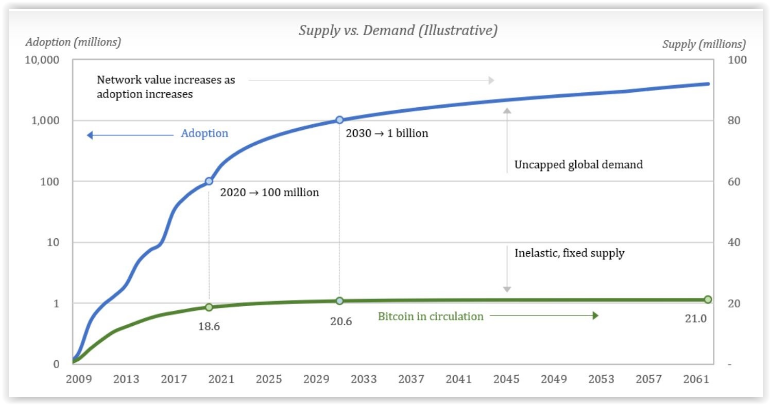
Ενώ ο αριθμός των ατόμων με τα οποία ένας άνθρωπος μπορεί να διατηρήσει κοινωνικές σχέσεις είναι εγγενώς περιορισμένη, τα ίδια όρια δεν ισχύουν για τα νομισματικά δίκτυα. Ένα νομισματικό δίκτυο επιτρέπει εκατομμύρια (αν όχι εκατοντάδες εκατομμύρια) ανθρώπων που είναι άγνωστοι μεταξύ τους να προσθέσουν αξία στο δίκτυο, με σχετικά λίγες άμεσες συνδέσεις. Όταν η υιοθέτηση ενός νομισματικού δικτύου αυξάνεται κατά μία τάξη μεγέθους (10x), οι πιθανές δικτυακές συνδέσεις αυξάνονται κατά δύο τάξεις μεγέθους (100x).
Με την πάροδο του χρόνου, η αξία του Bitcoin θα συνεχίζει να αυξάνεται. Διαθέτει μια βέλτιστη νομισματική πολιτική και η πολιτική αυτή εφαρμόζεται πιστά σε αποκεντρωμένη βάση. Το στοιχείο της εμπιστοσύνης έχει πάψει να αμφισβητείται, καθώς αποδεικνύεται ως η πιο σπάνια μορφή χρημάτων που υπήρξε ποτέ. Η πεπερασμένη ποσότητα είναι αυτό που το διαφοροποιεί από όλες τις άλλες μορφές χρήματος.
Η σπανιότητα είναι η μια πλευρά της εξίσωσης. Η άλλη κρίσιμη πτυχή αφορά στη ζήτηση. Το Bitcoin καθίσταται όλο και πιο σπάνιο, ως αποτέλεσμα της αμφίδρομης λειτουργίας της αυξανόμενης ζήτησης και μιας τελείως ανελαστικής προσφοράς. Η σπανιότητα δημιουργεί ζήτηση, ενώ ταυτόχρονα η αυξανόμενη ζήτηση δημιουργεί μεγαλύτερη έλλειψη. Ακούγεται κυκλικό, γιατί είναι. Εάν για τα 21 εκατομμύρια νομίσματα υπήρχε μόνο ένα άτομο που ενδιαφερόταν, δεν θα υπήρχε τίποτα σπάνιο ή χρήσιμο.
Ωστόσο αν 100 εκατομμύρια άνθρωποι θελήσουν να αποκτήσουν Bitcoin, τα 21 εκατομμύρια αρχίζουν να γίνονται σπάνια. Αν το δίκτυο φτάσει το ένα δισεκατομμύριο χρήστες, τα 21 εκατομμύρια θα γίνουν εξαιρετικά σπάνια. Επιπλέον το Bitcoin θα αποτελέσει μια μεγαλύτερη χρησιμότητα, επειδή θα διαθέτει πλέον και σταθερότητα.
Το Bitcoin συνδυάζει τη σπανιότητα με την ικανότητα να υποδιαιρεί κάθε μονάδα σε 8 δεκαδικά ψηφία. Με αυτό τον τρόπο μπορείς να μεταφέρεις οποιαδήποτε ποσότητα αξίας, όσο μεγάλη ή μικρή και να είναι. Η σπανιότητα από μόνη της δεν είναι αναγκαστικά πολύτιμη. Ούτε είναι η ιδιότητα της διαιρετότητας. Είναι ο συνδυασμός τους που τα καθιστά πολύτιμα.
Το Bitcoin περιγράφεται συχνά ως ψηφιακός χρυσός, αλλά στην πραγματικότητα δεν αποτελεί δίκαιο χαρακτηρισμό. Το Bitcoin συνδυάζει την ισχύ του φυσικού χρυσού, με τις δυνατότητες του ψηφιακού δολαρίου. Ο χρυσός είναι σπάνιος, αλλά είναι δύσκολο να διαιρεθεί και να μεταφερθεί, ενώ το δολάριο είναι εύκολο να μεταφερθεί αλλά όχι σπάνιο. Το βασικό συγκριτικό πλεονέκτημα είναι το γεγονός ότι το Βitcoin μπορεί να μεταφερθεί άμεσα μέσω ενός καναλιού επικοινωνίας χωρίς την ανάγκη για κάποιο τρίτο μέρος ως ενδιάμεσο, όπως τα τραπεζικά ιδρύματα. Αυτό διαφέρει θεμελιωδώς από τις ψηφιακές πληρωμές σε συστήματα fiat, τα οποία εξαρτώνται από αξιόπιστους μεσάζοντες.
** Το άρθρο δεν αποτελεί προτροπή για αγορά ή πώληση των αναφερόμενων τίτλων. Παρέχεται για πληροφοριακούς και μόνο σκοπούς.
The post «Βόμβα» από τη ‘’Fidelity’’ για το Bitcoin! appeared first on We Greece.
]]>The post Η ενσωμάτωση του ‘’BitPay’’ επιτρέπει στους χρήστες να αγοράζουν χρυσό με κρυπτονομίσματα appeared first on We Greece.
]]>Μέσω της αυτής ενσωμάτωσης με το ‘’BitPay’’ – ένας κορυφαίος πάροχος υπηρεσιών πληρωμών Bitcoin που υποστηρίζει σήμερα περισσότερους από 30.000 εμπόρους, συμπεριλαμβανομένης της νέας κινητής εφαρμογής της ‘’Microsoft’’ και της ‘’Avnet’’ – ‘’OneGold’’, δέχεται πληρωμές σε Bitcoin (BTC), Bitcoin Cash (BCH), Ether (ETH) και άλλα κρυπτονομίσματα. Επιπλέον, οι πελάτες του ‘’BitPay’’ θα εξοικονομήσουν 2% όταν χρησιμοποιούν την υπηρεσία στο ‘’OneGold.com’’.
Ο Διευθύνων Σύμβουλος της ‘’OneGold’’, κ. Kenneth Lewis, δήλωσε στην ‘’Cointelegraph’’ ότι η συνεργασία θα κάνει τη διατήρηση του πλούτου διαθέσιμη σε όλους με το χαμηλότερο κόστος ιδιοκτησίας που διατίθεται στην αγορά:
“Οι κάτοχοι κρυπτονομισμάτων είναι ουσιαστικά επενδυτές πολύτιμων μετάλλων και μπορούν να χρησιμοποιήσουν την ‘’OneGold’’ για να εξισορροπήσουν το επενδυτικό τους χαρτοφυλάκιο. Με τη χρήση του ‘’BitPay’’, οι κάτοχοι κρυπτονομισμάτων μπορούν να αγοράσουν γρήγορα χρυσό ή ασήμι στις θεσμικές τιμές, εξοικονομώντας 2% και να δημιουργήσουν ένα ισορροπημένο μείγμα χρυσού, αργύρου και κρυπτονομισμάτων».
Τα κρυπτονομίσματα και οι σχέσεις τους με τον χρυσό
Το Bitcoin συγκρίθηκε συχνά με το χρυσό, με το ‘’Bloomberg’’ να αναφέρει πρόσφατα ότι είναι ισοδύναμο με τον ψηφιακό χρυσό, καθώς υπάρχει μια συσχέτιση μεταξύ των δύο που εκτείνεται βαθύτερα από ό, τι και τα δύο είναι ασφαλή, περιορισμένα περιουσιακά στοιχεία.
Σε μια νέα έκθεση, ο αναλυτής της αγοράς ‘’Bloomberg’’, Mike McGlone, χαρακτηρίζει το 2020 ως πρώτο έτος για τα περιουσιακά στοιχεία του ασφαλούς περιβόλου, γεγονός που υποδηλώνει ότι οι κινήσεις του χρυσού θα λειτουργήσουν ως υποκατάστατο για την απόδοση των τιμών της BTC.
Ο McGlone υπογραμμίζει την πρόσφατη αύξηση των τιμών στην αξία του Bitcoin μετά τη δολοφονία του Ιρανού στρατηγού Qassem Soleimani από τις ΗΠΑ. Λίγο μετά το γεγονός αυτό, τόσο η τιμή του Bitcoin όσο και ο χρυσός αυξήθηκαν.
Ο McGlone σημείωσε ότι «το πολύτιμο μέταλλο έφτασε τα 1.600 δολάρια, ενώ το ψηφιακό νόμισμα ακολούθησε, αυξάνοντας την τιμή του κατά 20%».
Ειδικότερα, ο πάροχος σταθερού καπνού Paxos δημιούργησε ένα κρυπτογραφικό περιουσιακό στοιχείο εξαργυρώσιμο για φυσικό χρυσό. Τα ‘’Paxos’’ ξεκίνησαν το PAX Gold (PAXG), ένα συμβόλαιο ERC-20 που υποστηρίζεται από χρυσό τον Σεπτέμβριο του 2019, υποστηρίζοντας ότι το προϊόν είναι το πρώτο κρυπτογραφικό υλικό εξαγοράσιμο για φυσικό χρυσό.
Σύμφωνα με μια έκθεση, κάθε συμβόλαιο PAXG θα επιστραφεί από μία λεπτή ουγγιά του χρυσού ‘’Good Delivery’’ του Λονδίνου. Οι κάτοχοι σημάτων έχουν το δικό τους χρυσό που αντιπροσωπεύει, αλλά τα χαρτονομίσματα μπορούν να μεταφερθούν όπως και κάθε άλλο στοιχείο του ERC-20, το οποίο οι σημειώσεις του ‘’Paxos’’ είναι απλούστερες από το ναυτιλιακό χρυσό.
Η στάμπα του ‘’Paxos’’ μοιάζει με το μοντέλο εξυπηρέτησης που παρέχει η ‘’OneGold’’, η οποία ιδρύθηκε από τον αντιπρόσωπο ‘’APMEX’’ και τον εναλλακτικό διαχειριστή κεφαλαίων Sprott. Η εταιρεία παρέχει σε εκατομμύρια πελάτες παγκοσμίως τη δυνατότητα ψηφιακής συγκράτησης πολύτιμων μετάλλων. Όταν οι χρήστες του ‘’OneGold’’ είναι έτοιμοι να αναλάβουν την κατοχή τους, μπορούν να μετατρέψουν τις εκμεταλλεύσεις πολύτιμων μετάλλων τους σε φυσικά μέταλλα, τα οποία αποστέλλονται από την ‘’APMEX’’ την ίδια εργάσιμη ημέρα.
Πηγή: https://cointelegraph.com/news/bitpay-integration-lets-users-buy-gold-with-cryptocurrency
The post Η ενσωμάτωση του ‘’BitPay’’ επιτρέπει στους χρήστες να αγοράζουν χρυσό με κρυπτονομίσματα appeared first on We Greece.
]]>